
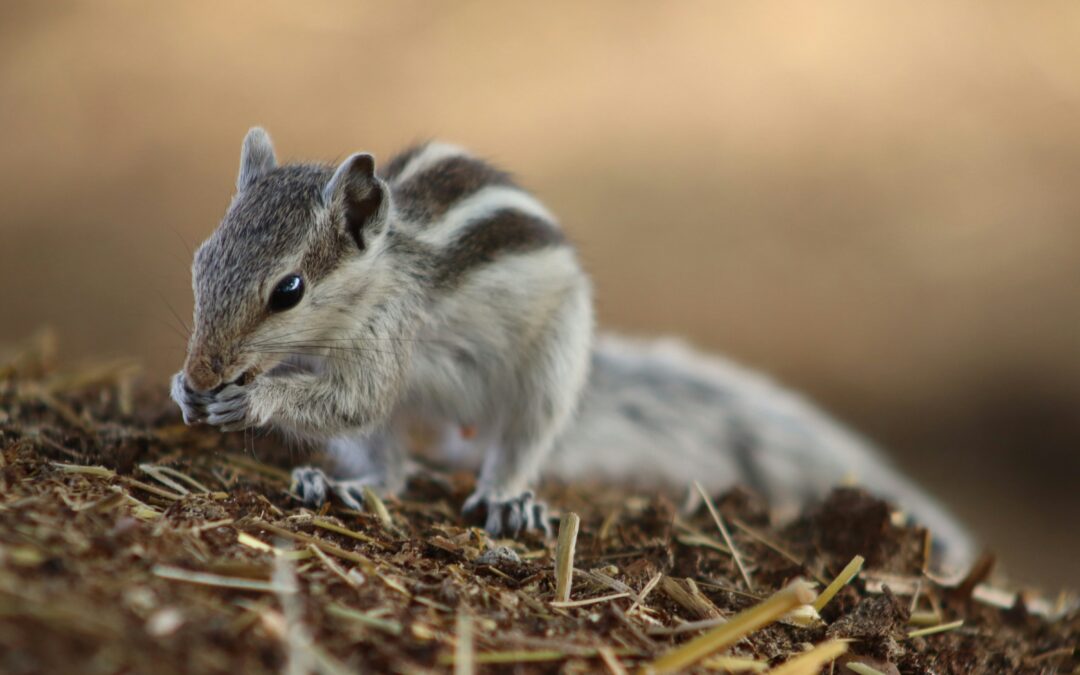
If you have ever watched squirrels running around in your yard or hopping from tree to tree, you may have wondered where they go when it rains. These small creatures seem so active in all kinds of weather, yet you rarely see them looking soaked or struggling during a storm. This naturally raises a very common question: are squirrel nests waterproof? From my own personal experience observing squirrels up close during rainy seasons, I can say the design of their nests is more fascinating than most people realize.
The truth is, squirrel nests, also known as dreys, are not fully waterproof in the same way a house is, but they are cleverly built to resist water and provide enough protection to keep squirrels warm and dry. To understand how this works, you need to look closely at the way these nests are made, the choice of materials, and the habits of squirrels during harsh weather.
This blog will take you through all the details of squirrel nests, the extent of their waterproofing, and why these little creatures are such skilled architects.
What Exactly Is a Squirrel Nest?
Squirrel nests are usually called dreys, and they are often found high up in trees, tucked into strong branches. A typical drey looks like a messy ball of leaves and twigs from the outside, but when you look closer, you realize it has a solid structure inside.
Squirrels build these nests by layering twigs, bark, leaves, moss, and sometimes even man-made materials like bits of paper or plastic they find nearby. The outer layer gives it bulk and camouflage, while the inside is lined with softer materials such as moss, shredded bark, or even fur. This inner lining makes it cozy and insulated.
The size of a drey can vary, but most are about the size of a soccer ball or slightly larger. They often look rough and fragile when seen from below, but the inner structure is tightly woven and surprisingly sturdy.
The Role of Weather Protection in Nests
A big reason squirrels put so much effort into building dreys is to protect themselves from the elements. Rain, snow, and wind can be life-threatening for small animals if they don’t have shelter.
So, are squirrel nests waterproof? The short answer: they are water-resistant but not completely waterproof. Squirrels design them in a way that sheds water, similar to how a tent might keep rain out. The materials don’t block water entirely, but the way they are layered and packed keeps most of the moisture outside while keeping the inside fairly dry.
How Squirrels Make Nests Water-Resistant
The waterproofing ability of a squirrel nest comes from its structure and material choices. Here’s how they manage it:
- Layering Leaves and Twigs
Squirrels start by weaving a solid base of twigs, which creates a stable skeleton for the nest. Over this, they pack in layers of leaves. These leaves overlap each other much like shingles on a roof. This overlapping design prevents rain from pouring directly inside. - Packing for Density
Instead of leaving gaps, squirrels press leaves and moss tightly into the structure. A dense pack of material creates a natural barrier, where rain is more likely to slide down the outside rather than seep through. - Choosing Location
Squirrels usually build their nests in spots that naturally reduce water exposure. They often place dreys against the trunk of a tree where branches shield them. Some nests are built under thicker branches, which act like umbrellas. - Soft Inner Lining
The innermost part of the nest is carefully lined with soft materials that don’t just make it warm but also absorb small amounts of moisture. Even if a bit of rain gets through, the inner lining prevents squirrels from sitting in cold water.
Seasonal Differences in Nest Waterproofing
Not all nests are the same. Squirrels adapt their building strategies depending on the season.
- Summer Nests: These are lighter and often less insulated. Squirrels may build them quickly to rest in, but they don’t offer much waterproofing. They’re mainly for shade and shelter from predators.
- Winter Nests: These are much thicker, heavier, and better packed. Winter dreys have extra layers of leaves, twigs, and bark, which make them more resistant to rain, snow, and icy winds. A winter nest is where you’ll see the best water resistance.
This seasonal adjustment shows how resourceful squirrels are. They don’t waste energy building heavy waterproof nests in summer, but when cold weather comes, they turn into serious engineers.
Do Squirrels Get Wet in Heavy Rain?
Even with all their effort, squirrel nests are not 100% waterproof. During heavy downpours, some water can seep through. However, squirrels usually prepare for this by doing a few things:
- They tuck themselves into the driest and warmest part of the nest, which is heavily lined.
- They curl their bodies tightly, minimizing exposure and conserving warmth.
- Sometimes, if one nest gets too wet, squirrels may move to another nest. Many squirrels build multiple dreys throughout the year for backup.
Based on my overall experience observing squirrels during storms, they often disappear quickly before the rain gets too strong. They seem to sense changes in weather early and retreat to safety before the worst of it begins.
Underground Nests: A Different Approach
Tree squirrels are the ones known for dreys, but ground squirrels and flying squirrels have different nesting strategies. Ground squirrels often dig burrows underground. These burrows are naturally better protected from rain because soil walls block water flow. Flying squirrels may also use tree cavities, which are far more waterproof than leaf nests.
This shows that not all squirrel nests face the same level of waterproofing challenges. The traditional leafy drey is the one most exposed to rain, yet even those are clever enough to offer good protection.
Comparing Squirrel Nests to Human Shelter
Think of a squirrel nest like a camping tent. A tent isn’t solid like a house, but with the right setup, it keeps most rain out. The outer layers deflect water, while the inside stays reasonably dry. Squirrel nests work in a similar way.
However, unlike tents, squirrel nests are biodegradable. Leaves and twigs eventually break down, which is why squirrels often repair or rebuild them. Over time, nests lose their waterproofing ability, and squirrels have to refresh them with new materials.
Survival Benefits of Water-Resistant Nests
The ability of a nest to repel water is crucial for squirrel survival. Getting wet isn’t just uncomfortable, it can be deadly. A soaked squirrel could lose body heat quickly, leading to hypothermia, especially in cold months.
By staying dry inside a water-resistant nest, squirrels:
- Conserve heat
- Reduce the risk of illness
- Protect their babies from harsh weather
- Save energy by resting safely
This is why waterproofing is not just a convenience but a survival necessity for squirrels.
Do Baby Squirrels Stay Safe in Nests?
Mother squirrels pay extra attention to waterproofing when raising young ones. Baby squirrels are born hairless and blind, making them highly vulnerable to cold and wetness. The mother builds nests with extra lining and places them in well-protected spots.
If a nest gets too wet or damaged, she will carry the babies one by one to a backup nest. This behavior shows just how important a safe, dry nest is in the life cycle of squirrels.
How Long Do Squirrel Nests Last?
A squirrel nest can last a season or sometimes longer if well-built. However, exposure to rain, wind, and snow eventually weakens the structure. Water resistance also decreases over time as leaves dry out and break apart.
Squirrels deal with this by either repairing old nests or building fresh ones. Some squirrels may have three or more nests at once, giving them options if one becomes unfit.
Human Encounters With Squirrel Nests
If you live near trees, you might spot a squirrel nest in your yard. During storms, you may wonder if the squirrels are safe up there. The answer is usually yes. Their nests, while not perfect, are good enough to shield them from most rain.
Sometimes people find fallen nests after storms. This often happens when the nest was already old or built in a weak spot. It’s not necessarily a failure of waterproofing but rather the force of the wind breaking branches.
Final Thoughts: Are Squirrel Nests Waterproof?
So, are squirrel nests waterproof? The answer is that they are water-resistant, not waterproof in the strictest sense. They are cleverly built to shed rain, resist moisture, and keep squirrels dry enough to survive even in heavy storms. The layering of leaves, the dense packing, and the smart choice of location all play a role in making nests effective shelters.
From my own personal experience watching squirrels during rainy weather, I’ve seen how they trust their nests to keep them safe, but they also build backups just in case. This combination of natural engineering and cautious planning is what makes squirrels such fascinating survivors.
The next time you see a round leafy bundle high in a tree, you’ll know that it’s more than just a random pile of twigs. It’s a carefully designed home that helps squirrels face rain, snow, and wind with surprising success.