
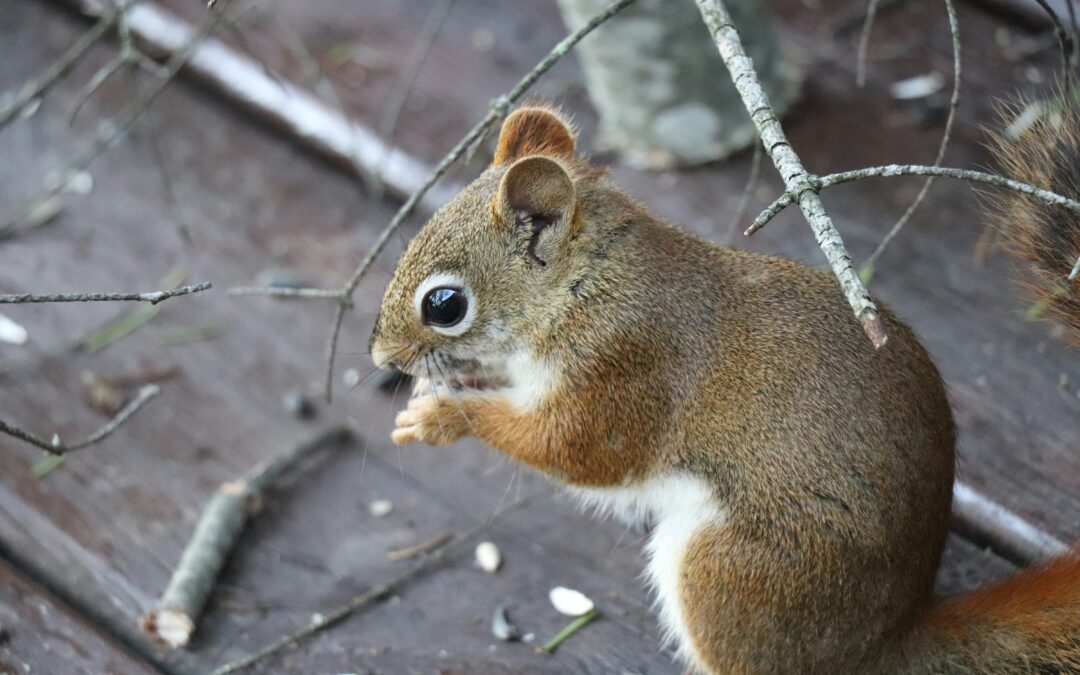
The question of whether squirrels can carry rabies pops up often, especially when people encounter these quick little animals in backyards, city parks, or hiking trails. Squirrels are active, playful, and curious, so it’s easy to cross paths with them. But anytime you see wildlife, the thought of disease risk comes into play. Rabies is one of the first concerns people raise because of its seriousness and the stories you often hear about wild animals spreading it.
From my own personal experience, I’ve seen people panic after a squirrel darted close to them, thinking immediately about rabies. But how real is the danger? Can squirrels truly carry and spread rabies? Or is this more myth than fact? Let’s break it down carefully, with clear explanations that give you both peace of mind and useful safety awareness.
Let Understand Rabies First
Rabies is a viral disease that affects the central nervous system. It usually spreads through the bite of an infected mammal because the virus lives in saliva. Once inside a body, the virus travels through the nerves toward the brain. If untreated, rabies is almost always fatal once symptoms appear. That fact alone is why people get nervous about it.
The most common carriers you hear about are raccoons, skunks, foxes, and bats. Dogs and cats can also get rabies if they aren’t vaccinated. Because rabies is such a serious disease, the idea that “any wild animal could be a risk” feels believable. But the truth is more specific than that. Not all animals pose the same level of danger, and some, like squirrels, rarely, if ever, spread rabies to humans.
Do Squirrels Get Rabies?
Here’s the key point: Squirrels can theoretically get rabies, but actual cases are extremely rare. Unlike raccoons or bats, squirrels are not considered common rabies carriers. There are very few documented cases of squirrels testing positive for rabies, and confirmed squirrel-to-human rabies transmission is essentially unheard of.
The reason behind this rarity comes down to two main factors. First, squirrels are small prey animals. If a squirrel encounters a rabid predator, it usually doesn’t survive long enough to spread the virus. Second, their natural behavior, fast, cautious, and skittish, makes it unlikely they’ll stick around to bite a human.
That said, being rare does not mean impossible. Theoretically, if a squirrel survived an attack from a rabid animal and then bit someone, transmission could occur. But in practice, health organizations consistently say the risk is negligible.
Why People Worry About Squirrels and Rabies
The concern often starts when people see unusual squirrel behavior. A squirrel acting strangely, like approaching humans without fear, circling aimlessly, or looking weak, raises alarms. Since odd behavior is a well-known rabies symptom, people connect the dots quickly.
But here’s the thing: unusual squirrel behavior usually comes from other causes. Squirrels may seem off because of injury, poisoning, parasites, or even just stress. A squirrel that appears “drunk” might have head trauma from a fall. One that seems overly friendly may have been hand-fed by humans before. So while caution is smart, jumping straight to rabies isn’t always accurate.
What Happens If a Squirrel Bites You
Squirrel bites do happen, especially if you try to feed one or if a squirrel feels cornered. Their teeth are sharp, and the bite can break skin. When that happens, the first concern isn’t usually rabies—it’s infection.
Squirrel mouths, like most animal mouths, carry bacteria. That means a bite can cause swelling, redness, or infection if untreated. Washing the wound immediately with soap and water is the first and most important step. After that, you should disinfect and cover the wound.
So what about rabies? If a squirrel bites you, medical experts say rabies treatment is almost never required. But the recommendation is always to check with a doctor. The doctor may want details, like where you were, what the squirrel was doing, and if it looked sick. They might decide to observe or report the case, but in most situations, rabies shots are not given for squirrel bites.
Rabies vs. Other Diseases in Squirrels
Even if rabies isn’t a realistic worry, squirrels can carry other diseases worth noting. For example:
- Leptospirosis – A bacterial disease that spreads through urine-contaminated water or soil.
- Tularemia – Rare but possible, spread by direct contact or insect bites.
- Ringworm – A fungal infection that can transfer through contact.
- Ticks and fleas – Squirrels often carry parasites that can spread Lyme disease or other illnesses.
These risks highlight why you shouldn’t handle squirrels, even if they look harmless or cute. While rabies is a near non-issue, these other conditions can still affect people.
Signs of a Rabid Animal
Even though squirrels aren’t usual carriers, it helps to know the signs of rabies in general wildlife. That way, if you see a suspicious animal, you know what to do. Symptoms include:
- Aggression or unusual boldness
- Disorientation or paralysis
- Excessive drooling or foaming at the mouth
- Daytime activity in animals normally active at night
If you ever see a squirrel or other animal showing these symptoms, the safest move is to keep your distance and call animal control. Don’t try to trap or help it yourself.
What Experts Say About Squirrel Rabies
Public health agencies repeatedly emphasize that squirrels almost never carry rabies. In fact, many health departments specifically list squirrels, chipmunks, mice, and rats as animals that do not spread rabies to humans. This classification exists because decades of case data show no evidence of transmission.
That doesn’t mean professionals dismiss your concern if you’ve been bitten. They take every animal bite seriously because infection risk is real. But they will almost always reassure you that rabies shots aren’t necessary in squirrel bite cases.
Why the Myth Persists
If squirrels rarely spread rabies, why do so many people still believe they do? A lot of it comes from fear combined with limited knowledge about wildlife diseases. Rabies is so dangerous that people assume “any mammal could give it.” Add in stories, movies, and half-truths online, and the idea spreads quickly.
Another reason is how visible squirrels are. You probably don’t run into raccoons or bats every day, but squirrels are everywhere. Their presence makes the fear feel more immediate, even if the science doesn’t back it up.
Keeping Safe Around Squirrels
The best approach is simple respect. Watch squirrels, enjoy their antics, but don’t try to touch or feed them. Feeding wild animals makes them less cautious around humans, which can lead to bites or scratches. Also, don’t try to handle an injured squirrel. Even if your intentions are good, the animal may bite out of fear or pain.
If you do get bitten or scratched, clean the wound thoroughly and get medical advice. Even if rabies isn’t a concern, other infections are.
From a Personal Perspective
Based on my overall experience with wildlife, I’ve noticed that fear often grows faster than facts. People tend to assume the worst, especially with diseases like rabies. But after learning more and seeing how rare squirrel rabies really is, the worry doesn’t seem as heavy. Being cautious is smart, but stressing every time you see a squirrel isn’t necessary.
Conclusion
So, can squirrels carry rabies? Technically, yes, but in reality, the risk is so close to zero that experts almost rule it out. Squirrels are not recognized carriers, and no confirmed human rabies cases from squirrels exist. That doesn’t mean you should ignore safety. If a squirrel bites or scratches you, clean the wound and see a doctor. But chances are, rabies won’t even enter the conversation.
The truth is that while rabies is scary, squirrels aren’t the animals you need to fear for it. Respect them, keep your distance, and enjoy watching them without worry. If you keep these points in mind, you’ll find a balance between safety and appreciation for these energetic little creatures.
From my own personal experience, understanding the facts about squirrel rabies turned a nervous subject into one of reassurance. You don’t need to live in fear, just stay aware, informed, and careful around wildlife.