
Dogs chasing squirrels is one of those classic sights you see at parks, backyards, or even during a quick walk down the street. You might laugh the first few times, but after a while, you may find yourself wondering: why are dogs so obsessed with squirrels? Is it instinct? Is it boredom? Or is there something deeper that makes this chase irresistible?
In this post, we’re going deep into this quirky yet fascinating behavior. From instinct and history to exercise needs and even personality quirks, I’ll break it all down for you. And yes, from my own personal experience, living with dogs that have turned a regular walk into a full-on squirrel-hunting expedition, I can tell you this is more than just “play.”
Let’s start from the beginning and move step by step.
The Roots of Instinct
Dogs didn’t just wake up one day and decide, “Hey, squirrels look fun to chase.” This behavior is written into their DNA. Long before dogs were curled up on couches, they were hunters. Their wolf ancestors relied on chasing small, fast prey for survival. That prey drive, basically the internal engine that pushes them to stalk, chase, and capture, still lives inside today’s dogs.
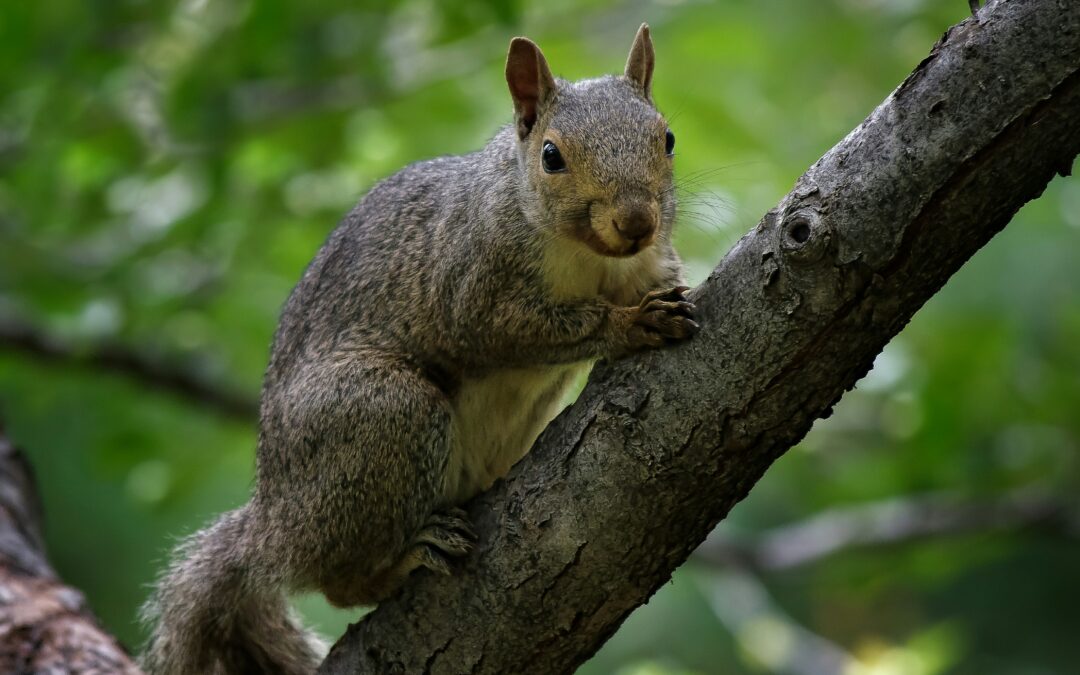
Squirrels just happen to trigger it perfectly. They’re small, fast, unpredictable, and dart away suddenly, which flips the “hunt switch” in a dog’s brain. Even if your dog has a bowl full of food at home, the sight of that twitching tail and sudden scurry will wake up instincts that no meal can override.
Why Squirrels, Specifically?
You might wonder, “Why not pigeons, rabbits, or other animals?” The answer lies in how squirrels move. Squirrels are jerky, quick, and always darting at sharp angles. That type of movement looks like classic prey behavior to dogs.
Birds tend to fly away, which feels less satisfying. Rabbits are less common in many urban or suburban neighborhoods. But squirrels? They’re everywhere. They hang out in yards, parks, and trees, giving your dog the perfect moving target.
Energy Meets Opportunity
For many dogs, chasing squirrels is also about burning energy. Some breeds, especially working or hunting types like terriers, hounds, and herding dogs, were bred to chase and pursue. They have high energy levels and need an outlet.
When you take a dog like that for a walk, and they spot a squirrel, it’s like an invitation to do what they were made for. Even less energetic breeds may jump into the chase simply because the movement excites them.
This explains why some dogs will lock eyes and bolt instantly, while others just wag their tail and watch.
The Role of Personality
Not every dog reacts the same way. Personality plays a big role here. Curious, bold, or excitable dogs are more likely to chase. Meanwhile, more relaxed or cautious dogs may just observe.
For example, from my own personal experience, I had one dog who would spend hours by the window, waiting for squirrels to appear. The second she saw one, she’d scratch at the door to get out. Another dog I had? He would just glance at the squirrel and go back to napping. It’s like some dogs are wired to chase, while others simply couldn’t care less.
Is It Dangerous for Dogs?
Now, let’s talk about the concern many people have: is it bad for dogs to chase squirrels? The chase itself isn’t harmful—it’s actually a great form of physical and mental exercise. The danger comes from the environment.
If your dog bolts into the street after a squirrel, that can be risky. The chase can also lead them into rough terrain, thorny bushes, or even unsafe encounters with other animals. And if they actually catch a squirrel, things could get messy. Squirrels aren’t defenseless; they can scratch or bite back.
So while the chase is natural, it’s important to manage it safely.
Training and Control
This is where training comes in. Dogs with a strong prey drive can be hard to control once they spot a squirrel. But with consistent training, you can teach them to listen, even in high-excitement moments.
Commands like “leave it,” “stay,” and “come” are lifesavers. Training doesn’t mean you’re taking away their fun, it just means you’re making sure the fun doesn’t turn into danger.
For example, one strategy that worked for me was using long leashes in safe, open spaces. That way, the dog got to “chase” while I still had control. Over time, pairing commands with rewards helped reduce the obsession.
The Exercise Factor
Another big reason dogs chase squirrels is exercise. If dogs don’t get enough playtime or activity, they’ll find outlets themselves. Chasing a squirrel is the ultimate combination of cardio, mental stimulation, and excitement.
Think of it like this: dogs were born to run and move. Without enough outlets, they’ll jump at any chance. Squirrels provide the perfect, unpredictable “game” that tires them out.
This is why regular walks, fetch, agility training, or even puzzle games at home can help channel that energy in other ways.
Is It Ever About Hunting for Food?
For most modern dogs, no. They’re not chasing squirrels to eat them. But the instinct can still feel “hunting-like.” If a dog comes from a breed line with strong hunting roots, like terriers bred to chase rodents, they may show more intensity in their chase.
That said, most household dogs don’t need squirrels for food. They just get the thrill of the chase. The act itself is rewarding, almost like a natural high.
The Thrill of the Chase
Let’s not underestimate how fun this is for dogs. The chase itself releases chemicals in the brain that feel rewarding. Dopamine, the “feel-good” chemical, spikes when dogs engage in this behavior. It’s exciting, stimulating, and satisfying—even if they never actually catch the squirrel.
This explains why some dogs will chase over and over, day after day, without ever catching anything. It’s the pursuit that matters, not the capture.
How Owners Can Handle It
If you live in a squirrel-heavy neighborhood, you’ll need strategies to manage this. Here are some approaches:
- Use a leash at all times in busy areas. This prevents dangerous sprints.
- Train recall commands. So your dog comes back when called, even mid-chase.
- Give enough daily exercise. A tired dog has less drive to chase every single squirrel.
- Provide mental stimulation. Puzzle toys, training games, and sniff walks can satisfy curiosity.
- Safe play zones. Letting your dog run in enclosed areas gives them the outlet they crave.
Dogs and Squirrels: A Relationship of Chase
At the end of the day, the relationship between dogs and squirrels is simple: predator meets prey. Even if the modern backyard or city park isn’t a hunting ground, that instinct doesn’t just vanish.
Squirrels are perfect targets because they’re accessible, fast, and always present. For dogs, it’s not about catching. It’s about the chase, the excitement, the release of energy, and the satisfaction of instincts that go back thousands of years.
Final Thoughts
So, why do dogs chase squirrels? Because it’s natural. Because it’s fun. Because it excites them in ways that food, toys, or even people sometimes can’t.
From my own personal experience, dogs see squirrels as the ultimate moving puzzle, something to chase, something to watch, and something that taps into a very old part of their instincts. While it may sometimes frustrate you when your walk gets interrupted, it’s worth remembering this is part of what makes dogs, well, dogs.
The key is balance: let them enjoy their instincts but keep them safe. Train, guide, and give them enough outlets so that the squirrel chase becomes a healthy part of their life, not a dangerous one.