
If you’ve ever spotted a ground squirrel darting across a field or popping its head out of a burrow, you might have wondered: what happens to these little creatures when winter sets in? Do they keep running around in the cold? Do they vanish somewhere warm? Or do ground squirrels hibernate like some other animals?
The short answer is yes, ground squirrels do hibernate. But the longer answer is way more fascinating, because hibernation in ground squirrels isn’t just about “sleeping through winter.” It’s a carefully timed survival strategy tied to biology, food availability, and climate. In this blog, we’ll dive deep into what hibernation means for ground squirrels, how they prepare for it, what happens inside their bodies during those long months, and why this behavior has kept them thriving across different regions.
From my own personal experience, growing up near fields where ground squirrels were common, I can tell you that their seasonal patterns are noticeable if you pay attention. One month you see them active and foraging, the next month it’s like they’ve disappeared completely. That disappearance is exactly what hibernation is about. Let me walk you through everything I’ve learned and researched about this remarkable survival trick.
What Exactly Is Hibernation?
Before breaking down how ground squirrels hibernate, it helps to understand what hibernation really is. A lot of people confuse it with just “long naps” during the cold season. In reality, it’s a state where an animal’s body slows almost everything down:
- Metabolism drops drastically.
- Heart rate slows to a fraction of normal.
- Body temperature drops to near-freezing levels in some species.
- Energy use becomes extremely low.
Hibernation is a way for animals to survive when food is scarce and conditions are harsh. For ground squirrels, it’s not about escaping the cold itself, it’s about conserving energy when plants, seeds, and insects (their usual food) are no longer available in winter.
Ground Squirrels vs. Tree Squirrels: A Key Difference
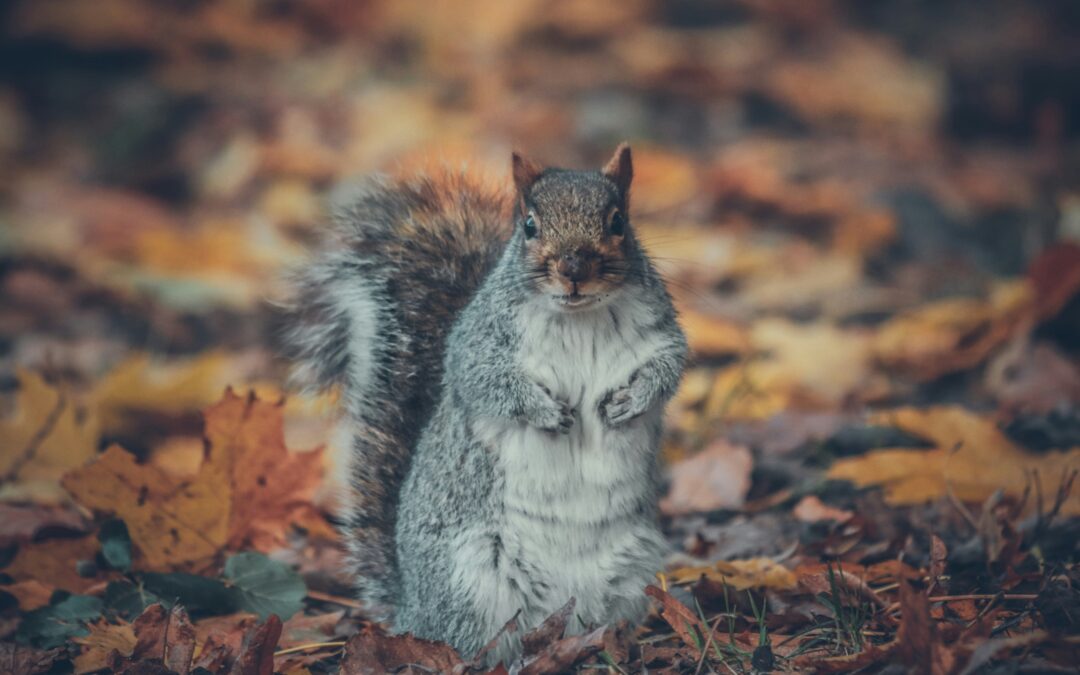
Many people mix up ground squirrels with tree squirrels. The difference matters here because tree squirrels (like the gray squirrel you see leaping between branches) do not hibernate. Instead, tree squirrels stay active through winter, relying on food stashes.
Ground squirrels, on the other hand, dig burrows and retreat underground for extended hibernation. This difference is rooted in their evolutionary paths: tree squirrels adapted to store food above ground, while ground squirrels evolved to shut down and ride out the season.
How Long Do Ground Squirrels Hibernate?
The length of hibernation depends on species and location. Ground squirrels living in colder climates hibernate for longer periods, sometimes up to 8 months of the year. In milder areas, they might hibernate for just a few months or, in rare cases, skip it altogether if food is available year-round.
For example:
- Arctic ground squirrels (living in Alaska and northern Canada) are champions of hibernation, often shutting down for over 200 days.
- California ground squirrels hibernate for shorter periods, with some not hibernating at all if winters are mild.
Preparing for Hibernation
Ground squirrels don’t just decide one day to crawl underground and shut down. The preparation is an intense process:
- Fat storage: They spend the warmer months eating constantly. Fat becomes their fuel during hibernation.
- Burrow building: They dig deeper burrows lined with soil and vegetation. These serve as insulated hibernation chambers.
- Timing: Hormonal changes triggered by shorter daylight hours and colder temperatures signal their bodies to prepare.
From my own personal experience observing them near my hometown fields, you can actually notice when ground squirrels are in “pre-hibernation mode.” They become less playful and more focused on eating and disappearing into burrows.
What Happens During Hibernation?
The magic happens once the squirrel enters its burrow and begins true hibernation:
- Body Temperature Drops: Arctic ground squirrels can lower their body temperature to below freezing without dying. Scientists call them “supercooling mammals.”
- Heart Rate Slows: From over 300 beats per minute in summer to fewer than 10 beats per minute in hibernation.
- Breathing Becomes Sparse: They might take a single breath every few minutes.
- Brain Activity Declines: It’s not full sleep but more like a suspended state with occasional brain reactivation.
This level of shutdown is extreme, and yet ground squirrels wake up at the end of it completely fine and ready to go.
Do They Ever Wake Up During Hibernation?
Yes. Hibernation isn’t one long uninterrupted “sleep.” Ground squirrels cycle in and out of torpor. Every couple of weeks, their bodies warm up briefly. Scientists believe this periodic waking helps them maintain muscle and brain health. After a short rewarming phase, they drop back into torpor.
This process uses some energy, but without it, they wouldn’t survive as well. It’s like hitting the “reset button” during hibernation.
The Role of Climate
Ground squirrel hibernation is heavily tied to the climate of their habitat. In regions with harsh winters, hibernation is essential. In warmer zones, ground squirrels may shorten the duration or skip it. This flexibility shows how adaptable the species is to different environments.
Why Don’t All Ground Squirrels Hibernate the Same Way?
Not every ground squirrel species follows the same schedule. There are more than 60 species of ground squirrels worldwide, and their hibernation habits vary:
- Arctic Ground Squirrels: Known for extreme hibernation and record-low body temperatures.
- Richardson’s Ground Squirrels: Common in the prairies of North America, hibernating for up to 8 months.
- California Ground Squirrels: Highly variable; some hibernate, some stay active.
This variation is what makes them fascinating, hibernation isn’t a “one-size-fits-all” behavior.
What Do They Eat Before and After Hibernation?
The diet before hibernation is all about building fat reserves. Ground squirrels gorge on seeds, nuts, grasses, and insects. The fat they store is “brown fat,” which is special because it burns more efficiently and helps them rewarm after torpor.
When they wake up in spring, they’re hungry and weak. Their first foods are usually tender shoots, fresh grasses, and whatever insects they can find. This early diet jumpstarts their metabolism after months of fasting.
Hibernation and Reproduction
Hibernation is linked to reproduction in ground squirrels. Males typically emerge first in spring, giving them time to recover and be ready for mating. Females come out later, and breeding begins shortly after. The timing ensures that babies are born in warmer months when food is abundant.
Why Hibernation Matters for Survival
Hibernation is more than just avoiding the cold, it’s a survival mechanism. Without it, ground squirrels would starve when winter removes their food supply. Hibernation also helps them avoid predators, since they’re hidden underground for months.
Hibernation vs. Estivation
Here’s an interesting twist: ground squirrels in very hot, dry environments sometimes enter estivation instead of hibernation. Estivation is like summer hibernation, where animals slow down to avoid heat and drought. This shows how flexible ground squirrels are at surviving in tough conditions.
Ground Squirrels in Human Landscapes
You might wonder if ground squirrels hibernate the same way in urban or agricultural areas. In many cases, yes, they still retreat underground. But human presence can influence their patterns. For example, if food sources stay available because of crops or bird feeders, some ground squirrels may shorten hibernation or stay active longer.
Misconceptions About Hibernation
A few myths are worth clearing up:
- Ground squirrels don’t just “sleep” in their burrows. Hibernation is a biological shutdown, not a long nap.
- They don’t wake up skinny and dying, they’ve evolved to handle the energy drain.
- Not all ground squirrels hibernate; species and environment make a difference.
From My Own Perspective
From my own personal experience observing them across several seasons, I can say it’s incredible how predictable their cycles are. One year, I noticed ground squirrels active until late October, then vanishing completely. The following spring, they were back like clockwork, healthy and busy. Watching that cycle taught me that hibernation isn’t just survival, it’s nature’s calendar.
Why Humans Care About Ground Squirrel Hibernation
Understanding ground squirrel hibernation isn’t just for curiosity. It has practical uses:
- Agriculture: Farmers track ground squirrel activity because they affect crops.
- Science: Research on their hibernation helps scientists study metabolism, heart health, and even possible applications for human medicine (like protecting organs during surgery).
- Conservation: Knowing how hibernation patterns change with climate shifts can help protect habitats.
Conclusion
So, do ground squirrels hibernate? Absolutely. But the story is bigger than a simple yes. Ground squirrels use hibernation as a survival strategy that changes with species, climate, and environment. They prepare by fattening up, retreat into burrows, and slow their bodies to near-death states, all to emerge in spring ready for life again.
It’s a reminder of how adaptable and resourceful nature can be. Next time you see ground squirrels active in the fields, know that behind those busy little creatures is a cycle of survival that’s been perfected for thousands of years.