
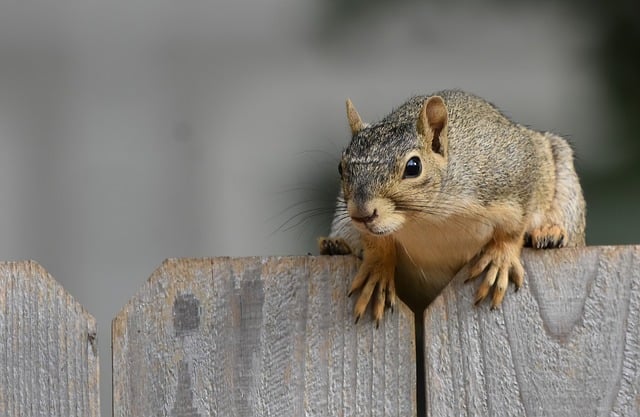
When you think of raccoons, what’s the first image that comes to mind? Maybe those little bandit masks, their curious eyes peeking out from behind a trash can lid. Raccoons are known for being clever, resourceful, and a little mischievous. But one question that pops up often is, do raccoons eat squirrels?
It’s a fair question because both animals share the same spaces, trees, backyards, attics, and even garbage areas. You might have seen them crossing paths and wondered whether a raccoon ever turns predator on a squirrel. Based on my overall experience observing wildlife behavior, raccoons are far more opportunistic than many people think.
Let’s dig deep into how raccoons actually behave, what they eat, and whether squirrels ever make it onto their dinner menu.
Let’s Understand Raccoons: Nature’s Little Opportunists
Before jumping into the raccoon-squirrel situation, you have to understand how raccoons live and survive.
Raccoons are omnivores, which means they eat both plants and meat. But they’re not picky eaters at all. If something looks edible, they’ll probably give it a try. This includes fruits, nuts, insects, frogs, small birds, and yes, sometimes even other mammals.
They’re built for adaptability. That’s why raccoons live comfortably in cities, forests, farms, and even near lakes. Their front paws are surprisingly agile, almost like human hands, which lets them open containers, dig for grubs, or grab small prey.
The Typical Raccoon Diet
1. Fruits and Nuts
Raccoons love fruits like berries, apples, and grapes. If you’ve got a garden, you might’ve seen them raiding it at night. They’ll climb trees to grab fruits or scavenge for fallen ones on the ground. Nuts are another favorite, especially during fall when they prepare for colder months.
2. Insects and Small Creatures
They also go after insects, worms, and small amphibians like frogs or salamanders. These are easy to catch and full of protein.
3. Fish and Crustaceans
If raccoons live near rivers or ponds, they’ll dip their paws in the water to catch crayfish, small fish, or even frogs. Their method of “washing” food isn’t just cute, it’s instinctive. They feel around for prey under the water surface.
4. Birds and Eggs
They occasionally climb trees to raid bird nests. Eggs are a big treat for them, soft, easy to eat, and high in nutrients.
5. Human Food
Urban raccoons have learned that trash cans are basically open buffets. They’ll eat leftovers, pet food, or whatever scraps they find.
So, Do Raccoons Actually Eat Squirrels?
Here’s the straightforward answer: Yes, raccoons can eat squirrels—but it’s rare.
They don’t go out hunting squirrels every night. It’s not part of their regular diet. However, raccoons are opportunistic predators, which means if they find a dead squirrel or an injured one, they’ll eat it.
If food is scarce—like during winter or dry seasons—they might even chase a squirrel if they think they can catch it. But most of the time, squirrels are too fast, too agile, and too high up in trees for raccoons to bother.
When Raccoons Might Attack Squirrels
There are certain conditions where raccoons might actively go after squirrels.
1. Food Shortage
During harsh winters or droughts, raccoons may struggle to find enough natural food. That’s when they become bolder. If a squirrel crosses their path and looks like easy prey, they might pounce.
2. Injured or Baby Squirrels
Baby squirrels (kits) are more vulnerable. If raccoons find them fallen from their nest, they can easily become a meal. The same goes for injured or sick squirrels that can’t escape quickly.
3. Defending Territory or Food
Sometimes, it’s not about hunger—it’s about dominance. If a squirrel gets too close to a raccoon’s feeding area or den, the raccoon might attack out of aggression.
4. Scavenging
Raccoons are natural scavengers. If they find a squirrel carcass, they won’t waste it. It’s their way of surviving with what’s available.
How Raccoons Hunt
Raccoons aren’t built like traditional hunters. They don’t have the speed of a fox or the claws of a bobcat. Their hunting style is more sneaky and opportunistic.
They rely on stealth, waiting for a chance to grab prey when it’s distracted or cornered. In rare cases, they’ll climb trees or ambush from low branches if the opportunity is good enough.
But truthfully, squirrels are quick and usually escape long before a raccoon can get close. That’s why raccoon-squirrel encounters rarely end in a kill.
Do Raccoons and Squirrels Compete for Food?
Yes, they do.
Both raccoons and squirrels love nuts, fruits, and small insects. In forests and urban areas, they often compete for the same resources. You might even see a raccoon and a squirrel feeding in the same area at night—though they usually avoid each other.
Raccoons are nocturnal, meaning they’re active mostly at night. Squirrels are diurnal, which means they’re active during the day. This difference helps reduce competition. Still, there are overlap moments around dawn and dusk where they might cross paths.
Squirrels’ Defense Against Raccoons
Squirrels are much faster and more agile than raccoons. They use their sharp claws and light bodies to zip up trees, leap across branches, and hide in narrow holes that raccoons can’t reach.
If a raccoon ever chases one, the squirrel usually wins by escaping upward or disappearing into its nest cavity.
But baby squirrels that haven’t learned to climb yet are at real risk—especially if raccoons are nearby.
What Do Baby Raccoons Eat?
Young raccoons, called kits, start by drinking their mother’s milk. Around eight weeks old, they begin eating solid food.
Their mothers bring them bits of fruits, insects, and small prey. In some cases, she may bring a small mammal like a mouse—or yes, a squirrel—to teach them hunting behavior.
So while squirrel meat might not be a raccoon’s everyday choice, it can still appear in their diet during certain stages or circumstances.
Are Raccoons Dangerous to Squirrels in Urban Areas?
In cities and suburbs, raccoons adapt fast. They thrive in alleys, gardens, attics, and garbage zones. Squirrels also live in these areas, often seen on power lines or rooftops.
Because space is limited, encounters between them are more common. But even then, raccoons rarely hunt squirrels actively. Instead, they focus on easy food—trash, leftovers, pet kibble, or birdseed.
Still, if an injured squirrel shows up in the wrong place at the wrong time, a raccoon might take advantage.
Raccoons’ Role in the Ecosystem
Even though raccoons sometimes eat small animals, they play an important role in balancing nature.
They help control insect and rodent populations. By eating dead animals, they also keep the environment clean and reduce disease spread. Their scavenging helps recycle nutrients back into the soil.
Without raccoons, you’d likely see more pests, more carcasses lying around, and a less balanced food chain.
Do Raccoons Eat Other Animals Too?
Yes, raccoons are known to eat:
- Mice and rats
- Small birds
- Frogs and toads
- Snakes (especially small ones)
- Insects like beetles or grasshoppers
- Crabs and fish (for raccoons near water)
But again, they don’t hunt these animals as a primary source of food. They just take the chance when it comes.
Do Squirrels Ever Fight Back?
Squirrels are small, but they’re brave when cornered. They’ll use their sharp teeth and claws to defend themselves, especially mothers protecting their young.
However, in a one-on-one physical fight, raccoons are stronger. Their size, bite strength, and aggression can easily overpower a squirrel. That’s why squirrels usually avoid confrontation altogether.
What Happens If Raccoons and Squirrels Share the Same Space?
In natural settings, it’s quite common. They both live in trees and sometimes even occupy the same hollow logs or attics (though rarely at the same time).
Squirrels use daytime to forage, while raccoons come out at night. This time gap helps them coexist without too many conflicts.
However, during nesting season or food shortages, territorial fights might break out. These are usually short-lived, and both animals move on quickly.
How You Can Keep Raccoons Away from Squirrels (If You Feed Them)
If you enjoy feeding squirrels in your backyard, raccoons might show up too. To keep peace:
- Feed squirrels in the morning. Raccoons are mostly nocturnal, so feeding early reduces encounters.
- Use elevated feeders. Place food on high poles or hanging feeders where raccoons can’t easily reach.
- Avoid leaving food overnight. Clean up any leftovers or fallen seeds.
- Secure your trash cans. Use tight lids to stop raccoons from getting used to your yard.
- Don’t hand-feed. Wild animals should never get too comfortable around humans—it’s safer for everyone.
Fun Fact: Raccoons Have a “Taste Test” Habit
Raccoons often dip their food in water before eating. This habit isn’t about hygiene—it’s more about sensory feedback. Their paws are extremely sensitive, and water helps them feel textures better. So even if they were eating a squirrel, you’d probably see them doing their signature “washing” motion first.
From My Own Personal Experience
From my own personal experience observing raccoons in rural areas, I’ve noticed they act more out of convenience than aggression. If they find easy food—like a leftover sandwich or some berries—they won’t waste time chasing a live squirrel.
But on the rare nights when food is low, and instinct kicks in, they can surprise you with their determination. I’ve seen a raccoon sniff around a fallen squirrel once—it didn’t cause the squirrel’s death but wasn’t about to waste it either. That’s raccoons for you: clever, practical, and always ready for an opportunity.
The Final Answer
So, do raccoons eat squirrels? Yes, but not often.
They prefer simpler, slower, and safer meals. Squirrels are fast, cautious, and live high above ground, making them too much work for a raccoon’s liking.
Still, nature is full of surprises. When conditions push raccoons to their limits, they can and will eat squirrels, especially young, injured, or already-dead ones.
At the end of the day, raccoons are survivors. They don’t follow a strict menu, they follow opportunity. Whether it’s a fruit tree, a garbage bin, or a fallen squirrel, they take what’s available and move on.
That’s what makes raccoons so fascinating, they remind you that in the wild, adaptability is everything.