
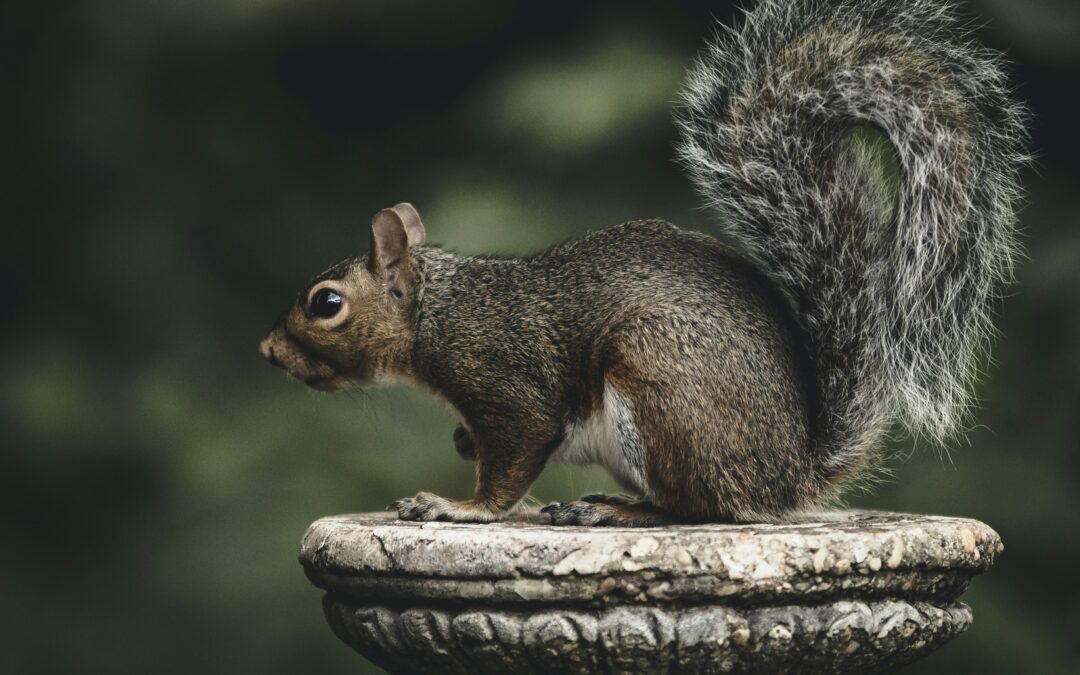
Squirrels are curious little creatures. You see them running across parks, climbing trees, and chasing each other like they own the place. They’re quick, alert, and full of personality. But have you ever wondered what happens when one of them dies? Do squirrels notice? Do they grieve? Or do they just carry on like nothing happened?
This is one of those questions that sounds simple but opens the door to a much deeper conversation. It’s not only about squirrels themselves but also about animal behavior, instincts, and how different species respond to death.
Let’s jump in step by step.
How Do Squirrels Interact With Each Other?
Before you can understand whether squirrels know when another dies, you need to look at how they live.
Squirrels aren’t pack animals like wolves. They don’t live in tight family units like elephants. But they’re not completely solitary either. They have overlapping territories, and you often see them in the same spaces, especially in city parks where food is plentiful.
They compete for food, but they also recognize their neighbors. Some researchers call this “loose social structure.” Basically, squirrels know who’s around, even if they don’t stick together like a herd.
That matters because it helps explain how they might react when one disappears or dies.
Do Squirrels Recognize Each Other?
Yes, squirrels can recognize each other. They do it mainly through scent and sound.
Scent: Squirrels have scent glands near their cheeks and paws. They rub these on objects to mark their presence. This helps them know who’s been around. If a familiar squirrel suddenly stops leaving scent marks, that could be noticed.
Calls and sounds: Squirrels make warning calls, mating calls, and even sounds that identify them. Other squirrels pick up on these differences.
So if one squirrel suddenly goes missing or ends up dead, the others probably notice in some way. The question is, do they understand what happened?
Do Squirrels Understand Death?
This is where things get interesting. Animals experience death differently. Some show clear signs of awareness. Elephants, for example, have been observed standing silently around a dead member of their herd, even touching the body with their trunks.
Squirrels, on the other hand, don’t show the same kind of ritual behavior. But that doesn’t mean they’re completely unaware.
Studies suggest smaller animals like squirrels may not fully process the concept of death the way humans or elephants do. Instead, they respond more instinctively. They might notice the absence, smell the body, or become more alert around the area.
From my own personal experience, I once noticed squirrels behaving oddly in my backyard after one had been struck by a car. Normally, they would chase each other across the fence without a pause, but for a few days, they avoided that exact spot. It wasn’t grief in the human sense, but it felt like they recognized something had changed.
What Do Squirrels Do When Another Dies?
Let’s break down common responses observed by both wildlife watchers and researchers:
Avoidance
Many squirrels will avoid the body of a dead squirrel. They seem cautious, almost as if they sense danger or disease. This could be an instinct to protect themselves from predators or illness.
Curiosity
Some squirrels will cautiously approach, sniff, and check the body. This doesn’t mean they understand death, but they clearly notice something unusual.
Temporary Silence
In some cases, squirrels stop their usual chattering and activity in areas where another squirrel has died. It can look like a pause in their behavior, though this usually doesn’t last long.
Carrying On
Unlike animals with stronger family bonds, squirrels eventually return to business as usual. Their survival depends on food gathering and territory defense, so they don’t linger too long in mourning.
Can Squirrels Grieve?
The word “grieve” is tricky. If by grieving you mean expressing sadness, crying, or holding rituals, then squirrels don’t. They don’t bury their dead, and they don’t gather together for comfort.
But if grieving means reacting differently after a loss, then yes, you could argue squirrels show small signs of awareness. They may avoid a spot, act more cautious, or spend time sniffing around the absence.
So, while they don’t grieve in the human sense, they do show behaviors that suggest recognition of change.
Why Do Squirrels Avoid Dead Bodies?
One of the strongest instincts in animals is survival. A dead body can mean disease. It can also mean a predator is nearby. Both are reasons to stay away.
Think about it: if a hawk just took down a squirrel, hanging around could make another an easy target. Avoiding the body is part of an instinctive safety strategy.
This doesn’t mean squirrels “know” their friend died—it means they sense danger and react.
How Squirrels Compare To Other Animals
To really understand, let’s look at how different animals respond to death:
- Elephants: Known for mourning, standing by bodies, and even carrying bones.
- Dolphins: Mothers sometimes carry dead calves for days.
- Crows: Gather around dead crows in what looks like a “funeral,” possibly as a way to learn about danger.
- Dogs and Cats: Can show sadness when a companion dies, eating less or appearing depressed.
Compared to these, squirrels are more instinct-driven. Their responses are subtle and short-lived.
Why People Notice These Behaviors
People notice squirrel behavior around death because it feels strangely familiar. You see a squirrel pause near a body, sniff, or avoid an area, and it looks like awareness.
This raises bigger questions: how much do animals feel, and how close are they to us emotionally?
Squirrels sit somewhere in between. They don’t perform rituals like elephants, but they’re not completely indifferent either.
Do Squirrels Miss Each Other?
It’s fair to ask whether squirrels “miss” one another. Since they recognize neighbors and rivals, the absence of one might register. For example, if a dominant squirrel suddenly disappears, another may move into that space quickly.
But missing someone in the emotional, longing sense? That’s less likely. Squirrels live on survival. Their focus is on finding food, avoiding predators, and reproducing. Any awareness of absence seems practical rather than emotional.
How Humans Shape This Question
The reason this question comes up so often is because people project their own feelings onto animals. That’s not a bad thing—it shows empathy. But it can make us assume squirrels think like we do.
For humans, death is emotional, social, and spiritual. For squirrels, it seems to be more about instinct, caution, and quick adjustment.
Why This Matters
You might wonder why it even matters if squirrels know when another dies. The answer is that it helps us better understand animal intelligence and emotional depth. It shows us where survival ends and emotion begins in different species.
It also makes people rethink how they treat animals. If squirrels notice change and react to death in small ways, then they’re more than just background creatures in our yards. They’re sentient beings with awareness—even if it’s not the same as ours.
Final Thoughts
So, do squirrels know when another squirrel dies?
The answer is: they notice, but they don’t fully understand. They recognize absence, they avoid danger, and they sometimes show brief reactions. But they don’t grieve or mourn in the way humans, elephants, or dolphins do.
Based on my overall experience observing wildlife, squirrels live in a balance between instinct and awareness. They may pause for a moment at death, but their survival-driven lives push them forward.
For you watching from the outside, that pause can feel like something deeper. Maybe that’s why the question is so powerful, it tells us as much about our need to connect with animals as it does about the squirrels themselves.