
When you see a squirrel darting across a fence or sitting upright with its fluffy tail curled, it’s easy to want to befriend it. They look curious, playful, and surprisingly intelligent. But how do you get a squirrel to actually like you? It’s not about rushing in or forcing a bond. It’s about trust, patience, and understanding their behavior. From my own personal experience, squirrels respond best to slow, consistent efforts that show them you’re not a threat.
In this post, we’ll dig deep into how to win over a squirrel’s trust, how to safely interact with them, and what behaviors you should adopt if you truly want a squirrel to like you.
Understand Squirrel Behavior First
Before you can get a squirrel to like you, you need to understand how squirrels think and react. Squirrels are prey animals. Their instinct is to flee first and question later. Every sound, shadow, or sudden move can make them leap into the nearest tree.
They rely heavily on body language and environmental cues. If you move too fast, they’ll bolt. If you hover too close, they’ll feel cornered. On the other hand, if you remain calm and predictable, they’ll eventually see you as part of the background instead of a danger.
Recognizing this mindset helps you approach them in a way that feels safe for them, and over time, that’s what builds trust.
Choose the Right Environment
Not every setting is ideal for making friends with squirrels. Busy streets, loud backyards, or areas with constant foot traffic are not the best places to try. Squirrels in quieter parks, wooded backyards, or calm neighborhoods are far more likely to relax enough to pay attention to you.
If you have a yard with trees, you already have an advantage. Squirrels often revisit the same routes daily, using tree branches, fences, or rooftops like highways. That predictability gives you the perfect chance to become a familiar presence in their routine.
The Role of Patience
You cannot expect a squirrel to like you instantly. Building trust takes time. It might take weeks or even months before a squirrel starts approaching you without hesitation.
Think of it like making a friend who’s naturally shy. If you push too hard, you’ll scare them off. But if you respect their pace, they’ll gradually open up. The patience you invest now will make your eventual bond feel more genuine and lasting.
Offer Food as a First Step
Squirrels are food-driven. Offering them something tasty is the easiest way to grab their interest. But not all foods are safe or healthy for them.
Some of the best options include:
- Unsalted peanuts in the shell
- Sunflower seeds
- Pumpkin seeds
- Walnuts, pecans, and almonds
- Pieces of apple, pear, or carrot
Avoid giving them processed snacks, salted nuts, or bread. These can harm their health. Fresh, natural foods are always best.
When you first start, place food a good distance away and let them eat it without pressure. Over time, move the food closer to where you’re sitting. This gradual process shows them you’re connected to the reward, but not forcing them into danger.
Create a Feeding Routine
Squirrels are creatures of habit. If you feed them at the same time each day, they’ll learn to expect you. That sense of routine makes them more comfortable around you because they associate your presence with something positive.
Choose a calm spot, sit down, and place the food near you. At first, they might only grab it when you leave. But as the days pass, they’ll start inching closer. Eventually, they might eat just a few feet away from you, and that’s when you know they’re starting to trust you.
Use a Calm Body Language
Your body language speaks louder than your words. Squirrels notice every little movement. If you’re jittery, they’ll be jittery. If you’re calm, they’ll mirror that calmness.
The best way to sit near squirrels is to remain still, avoid direct staring, and keep your movements smooth and slow. If you need to shift or reach, do it in a way that doesn’t feel sudden.
Talking softly can also help. While squirrels don’t understand your words, they get used to the sound of your voice, and that familiarity reassures them.
Respecte Boundaries
Even if you’re eager to interact, respect the squirrel’s space. Never try to grab, chase, or trap them. That will erase any progress you’ve made.
If a squirrel comes closer, let them decide how near they want to be. If they sniff your hand but retreat, accept it. If they pause at a safe distance, don’t move closer until they’re ready. Letting them set the pace ensures they always feel in control, which is crucial for trust.
Build Trust Over Time
The key to getting a squirrel to like you is trust. Trust is built through repeated positive experiences. Each time they find food you’ve left, each time they approach without being harmed, and each time they hear your voice without threat, it strengthens the connection.
Eventually, the squirrel will stop seeing you as a possible predator and start seeing you as part of its environment. That’s when curiosity kicks in, and curiosity is what brings them closer.
Recognize Progress
There are clear signs that a squirrel is starting to like you. Some include:
- Eating within a few feet of you
- Watching you without immediately running away
- Approaching when you arrive instead of hiding
- Chirping or flicking their tail in what seems like communication
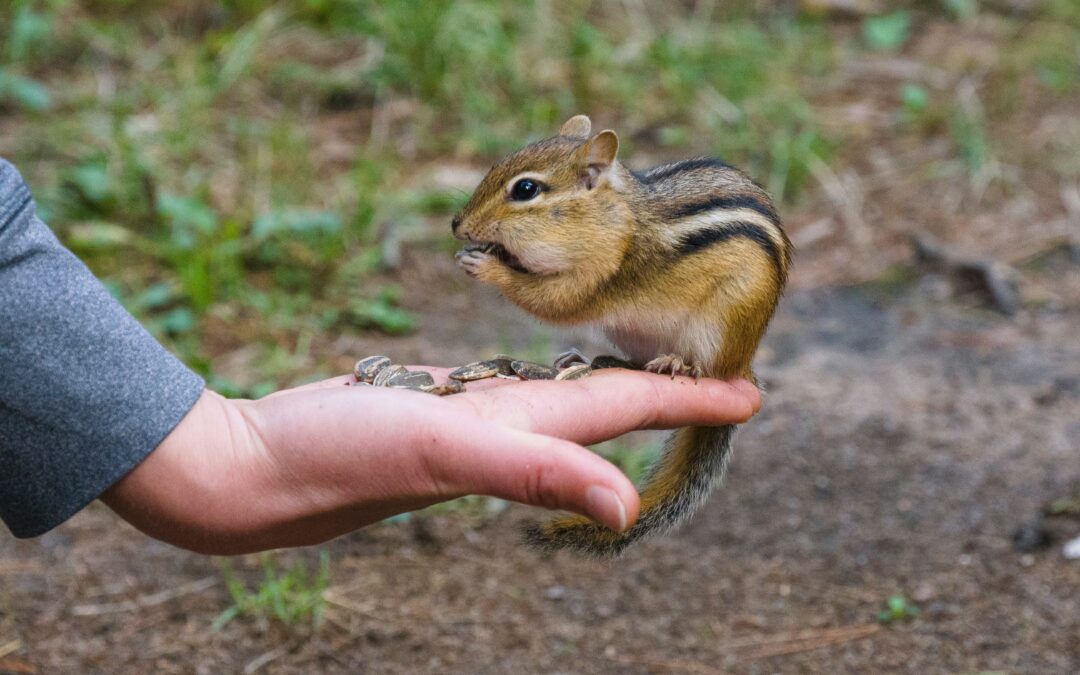
- Taking food from your hand (this is the ultimate sign of trust)
From my own personal experience, the first time a squirrel takes food from your hand is unforgettable. It’s a tiny gesture, but it shows that your patience and consistency paid off.
Create a Safe Environment
For a squirrel to truly feel comfortable around you, they also need to feel safe in their environment. Avoid loud noises, fast movements, or other animals that could scare them away.
If you have pets, especially cats or dogs, keep them away during your interactions. Squirrels won’t stick around if they sense predators nearby.
Also, avoid overfeeding in one spot. Leaving too much food out can attract unwanted animals like raccoons or rats, which will ruin the peaceful setting you’re trying to build.
Should You Touch a Squirrel?
This is a common question. While some people have had squirrels climb onto them or even sit on their shoulders, you should never force physical contact. Wild squirrels are not like domesticated pets. They carry sharp claws and teeth, and if they feel threatened, they will defend themselves.
If a squirrel chooses to touch you, like climbing onto your knee while grabbing food, enjoy the moment. But never grab or restrain them. Respecting their wild nature is key to keeping the bond positive.
Why Some Squirrels Never Warm Up
It’s important to remember that not every squirrel will like you. Some are more cautious than others. Age, past experiences, and even personality play a role. A younger squirrel may be more curious, while an older one might be too cautious.
If one squirrel avoids you completely, don’t take it personally. Focus on building trust with the ones who show interest. Each squirrel is unique, and part of the fun is seeing which ones choose to interact with you.
The Reward of Patience
Getting a squirrel to like you is not about instant gratification. It’s about forming a connection with a wild creature on its own terms. It requires patience, consistency, and respect.
From my own personal experience, the reward is worth every slow step. Watching a squirrel that once ran from you now sit calmly a few feet away, munching on a nut you provided, is one of those small but powerful moments that make you feel connected to nature.
Final Thoughts
So, how do you get a squirrel to like you? You do it by respecting their nature, earning their trust, and showing patience. Offer safe food, keep a calm presence, and let them set the pace. Over time, the squirrel will begin to see you not as a danger, but as a familiar and even welcome part of its routine.
It’s not about turning a squirrel into a pet, it’s about forming a bond of trust with a wild animal. That bond is fragile but meaningful, and once you’ve earned it, you’ll never forget it. From my own personal experience, the joy of having a squirrel recognize you and choose to approach you is a simple yet deeply rewarding connection with nature.