
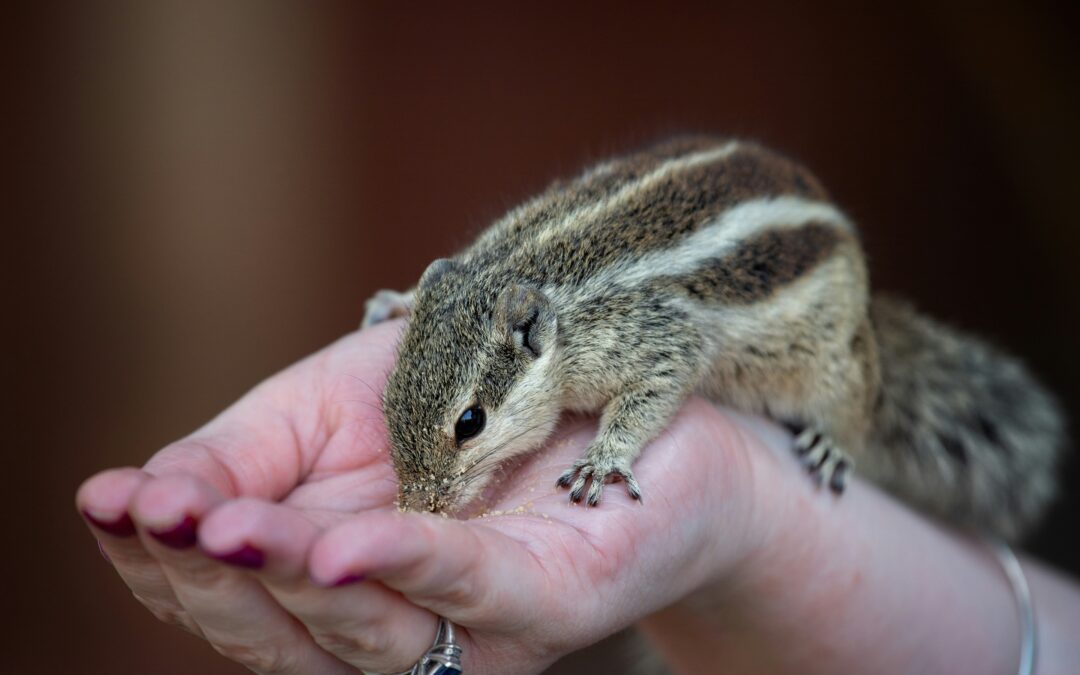
Squirrels are cute when you see them running around trees or stealing acorns in the park. But when you hear scratching, thumping, or chewing inside your walls, it suddenly feels less adorable and more stressful. Having a squirrel inside your wall is a situation you can’t ignore. It can damage your house, disturb your sleep, and even create fire hazards if it chews electrical wires. The good news is, you can deal with it.
In this guide, you’ll learn step by step how to get a squirrel out of your wall safely. From my own personal experience, having dealt with a squirrel invasion in my attic that made its way into a wall cavity, I can tell you it’s a mix of patience, strategy, and sometimes professional help. Let’s break it down.
Why Squirrels End Up Inside Walls
Before you get them out, it helps to know why they’re there in the first place. Squirrels look for warm, quiet, and hidden spots to nest. Your wall cavity offers them all of that. If it’s cold outside, the insulation feels like a cozy blanket. If a female squirrel is pregnant, your wall is a safe nursery. Open vents, gaps under the roofline, or loose siding give them easy access.
Walls also protect them from predators. Outside, hawks, cats, or raccoons can attack them. Inside your home, they feel safer, even though it causes trouble for you.
Signs That You Have a Squirrel in Your Wall
You probably already suspect it, but here are the common signs:
- Scratching or scampering sounds, especially in the early morning or evening.
- Thumping or rolling noises if they’ve brought acorns or nuts with them.
- Chewing sounds, since squirrels constantly gnaw to keep their teeth short.
- A bad smell if food is rotting or, in rare cases, if an animal has died inside.
- Stains or droppings near vents, baseboards, or the attic access.
Recognizing the signs early helps you act before the damage gets worse.
Why You Can’t Ignore It
A squirrel in your wall isn’t just an annoyance. It creates real risks:
- Damage to wires: Squirrels chew constantly, and if they bite through electrical wiring, it can spark a fire.
- Structural damage: They can tear insulation, chew wood, and weaken beams.
- Health hazards: Droppings and urine build up, creating smells and bacteria.
- Infestation spread: If you don’t handle it, they can multiply or invite more squirrels in.
This isn’t one of those problems that goes away on its own. You need to take action.
Step 1: Confirm It’s a Squirrel
Not all noises inside your wall come from squirrels. Sometimes it’s mice, rats, birds, or even raccoons. Each animal behaves differently, so you want to confirm. Squirrels usually sound heavier than mice but lighter than raccoons. Their movement is quick and scampering, not slow. You may also hear them carrying nuts or chewing loudly.
If you’re unsure, you can try tapping on the wall. A squirrel may pause or scurry quickly, while mice tend to freeze.
Step 2: Locate Where It Got In
You won’t solve the problem unless you find the entry point. Check outside your home carefully. Look at the roofline, eaves, soffits, vents, and any cracks where siding meets brick or wood. Squirrels don’t need a big opening; a gap the size of a fist is enough.
Sometimes they enter from the attic and then fall or crawl down into a wall cavity. If you can’t find an opening, you may need to inspect inside the attic with a flashlight.
Step 3: Don’t Try to Trap It Inside the Wall
You might think sealing the hole immediately is the right move, but don’t do it yet. If you trap the squirrel inside, it will panic. A trapped squirrel will claw, chew, and damage anything to escape. Worse, if it dies inside your wall, you’ll deal with a terrible odor for weeks.
Your goal is to give it a way out, not trap it in.
Step 4: Use Sound and Light to Your Advantage
Squirrels hate disturbance. If you know the exact wall cavity it’s hiding in, you can make that spot less comfortable. Place a bright light near the entry point or play a radio at a moderate volume. The idea is to make the space feel unsafe so the squirrel leaves on its own.
This doesn’t work instantly, but over a day or two, it encourages them to leave.
Step 5: Create a One-Way Exit
One of the most effective methods is a one-way exclusion device. You attach it over the squirrel’s entry point. It looks like a funnel or wire mesh tunnel that lets the squirrel exit but not return. This way, it leaves to find food and can’t come back.
These devices are commonly used by wildlife removal experts, but you can also buy them online. The key is to make sure every other gap is sealed first, except the main one where you place the exit.
Step 6: Be Careful of Babies
If it’s spring or late summer, there’s a chance a mother squirrel has babies inside your wall. Removing her without the babies creates a bigger problem. The young won’t survive on their own, and she may cause massive damage trying to get back to them.
If you suspect babies, listen closely for softer squeaking sounds. In this case, it’s usually better to call a professional wildlife remover who can safely reunite the family outside.
Step 7: Seal and Repair After Removal
Once you’re sure the squirrel is gone, seal the entry point with something strong. Steel mesh, metal flashing, or heavy-duty caulk works well. Don’t just patch with wood, since squirrels can chew through it.
Repair any damaged insulation, wires, or siding. This prevents future issues and keeps your home secure.
Step 8: Prevent Future Squirrel Problems
You don’t want a repeat. Here are prevention tips:
- Trim tree branches so squirrels can’t jump onto your roof.
- Install vent covers with metal mesh.
- Check your roofline and siding regularly for gaps.
- Keep food sources like bird feeders away from your home’s immediate area.
Prevention saves you from repeating the entire stressful process.
What Not to Do
Some people try quick fixes that usually cause bigger problems. Avoid these:
- Poison: It’s dangerous, often illegal, and can leave dead squirrels rotting inside your walls.
- Flooding or smoking them out: This damages your house and rarely works.
- Chasing them blindly: Breaking into your wall without a plan can cause expensive damage.
Safe removal methods work better and keep your home intact.
When to Call a Professional
If the squirrel won’t leave, if babies are involved, or if you can’t find the entry point, calling a licensed wildlife control expert is smart. They have the tools, experience, and legal know-how to handle it. In many areas, laws control how you can remove wildlife, and pros make sure you stay compliant.
Based on My Overall Experience with Wildlife in Homes
Dealing with animals inside your house is always stressful, but squirrels are one of the trickiest. They’re fast, clever, and persistent. Based on my overall experience, the combination of exclusion devices and sealing entry points works best. Trying to scare them away with light or sound helps, but it’s usually a temporary fix. The real solution is blocking their return once they leave.
Wrapping It Up
Hearing a squirrel inside your wall can drive you crazy, but it’s a problem you can fix. First, confirm it’s a squirrel. Then find its entry point and create a safe way for it to leave, like a one-way device. Once it’s gone, seal and repair the damage, then take steps to prevent it from coming back.
From my own personal experience, once I sealed the gaps in my attic after guiding a squirrel out, the problem stopped completely. It took patience, but it worked.
The bottom line: don’t ignore it, don’t use harmful methods, and don’t panic. With a clear plan, you can get that squirrel out of your wall and keep your home safe and quiet again.