
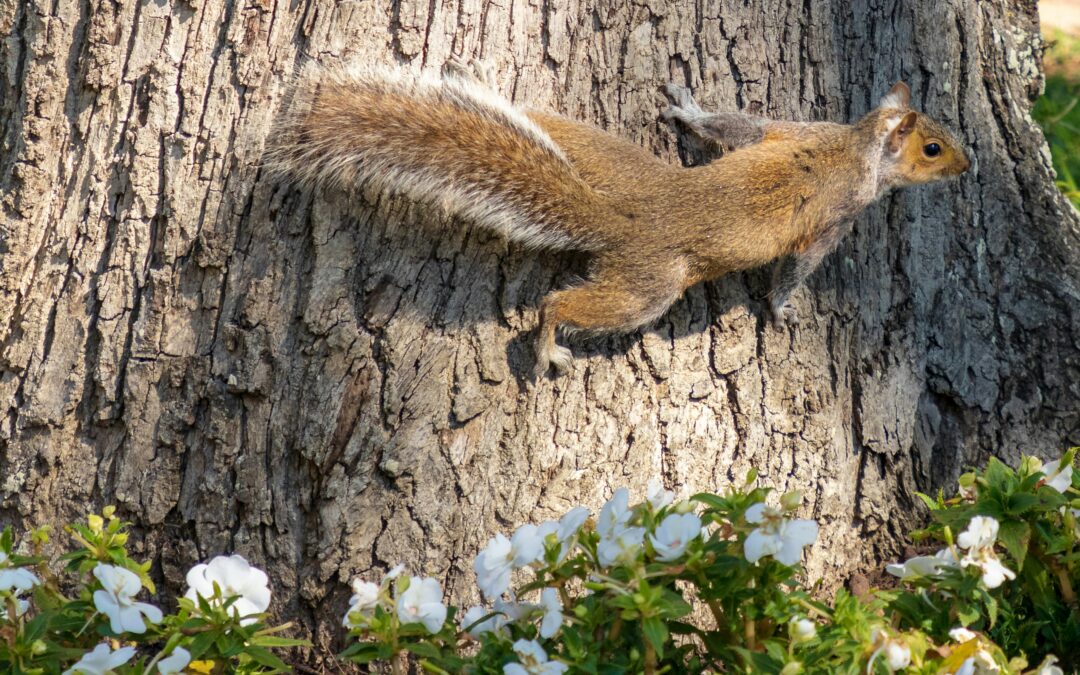
Squirrels might look cute when they dash through the garden or sit nibbling on a nut, but when they start digging up bulbs, they quickly become a gardener’s nightmare. From my own personal experience, those little furry creatures have an uncanny ability to find freshly planted bulbs and turn them into an afternoon snack. If bulbs disappear before they even get a chance to grow, it can be incredibly frustrating.
This guide will dive into why squirrels dig up bulbs, the best preventative measures, and practical solutions to protect plants without harming wildlife. Whether bulbs are planted for early spring blooms or late-season surprises, the strategies here will help keep squirrels out and flowers in.
Why Squirrels Dig Up Bulbs
Before jumping into prevention, it helps to understand why squirrels dig up bulbs in the first place. Knowing their motivations makes it easier to find long-term solutions.
Squirrels Store Food
Squirrels naturally bury food to save it for later. When they smell bulbs, especially tulips, daffodils, or crocuses, they often mistake them for nuts. They are instinctively driven to dig, store, and retrieve them later, which is why even bulbs planted deep in the soil aren’t always safe.
Bulbs Are Nutritious
Many bulbs contain nutrients like starches and sugars, which squirrels love. This makes bulbs a tempting treat during winter and early spring when other food sources are scarce.
Curiosity and Territory
Sometimes squirrels dig simply because they are exploring their territory. They tend to investigate disturbances in the soil, and newly planted bulbs can look like interesting objects to investigate.
Understanding these behaviors is the first step in outsmarting squirrels. The next sections will cover practical ways to prevent them from digging.
Choosing the Right Bulbs
Not all bulbs are equally attractive to squirrels. Some types naturally deter them, while others are irresistible.
Squirrel-Resistant Bulbs
Certain bulbs have strong odors or tastes that squirrels avoid. Planting these types can reduce the chances of them being dug up. Some examples include:
- Daffodils: Their bitter taste and strong smell make them unattractive.
- Alliums: These bulbs produce a garlic-like scent that squirrels dislike.
- Fritillaria: Their pungent odor keeps squirrels away.
- Hyacinths: While colorful and fragrant to humans, their strong scent deters squirrels.
Bulbs That Attract Squirrels
It’s helpful to know which bulbs to avoid if squirrels are a problem. Some common favorites for squirrels include:
- Tulips
- Crocuses
- Lilies
- Snowdrops
By planting resistant varieties or mixing them with attractive but protected bulbs, it is possible to safeguard a significant portion of your garden.
Planting Techniques to Discourage Squirrels
How bulbs are planted can have a big impact on whether squirrels dig them up. Minor adjustments in depth, placement, and timing make a noticeable difference.
Plant Deep
Planting bulbs deeper than usual reduces the chance that squirrels will reach them. For example:
- Small bulbs like crocuses: 4–6 inches deep
- Medium bulbs like tulips: 6–8 inches deep
- Large bulbs like daffodils: 8–10 inches deep
Squirrels can dig, but the deeper the bulb, the more effort it takes to retrieve.
Use Mesh or Wire
One effective method is placing a layer of chicken wire or hardware cloth over the planting area before covering it with soil. This creates a barrier while still allowing plants to grow. The wire can be removed after shoots appear above the soil, as squirrels are less likely to dig once the shoots are visible.
Plant in Clumps
Squirrels tend to focus on individual bulbs rather than clusters. Planting bulbs in tight clumps can reduce digging because squirrels may only take one or two bulbs and leave the rest.
Mix Bulbs with Deterrents
Some gardeners use natural deterrents by planting bulbs alongside materials that squirrels dislike, such as:
- Crushed eggshells
- Coffee grounds
- Hot pepper flakes
These create an unpleasant taste or smell for squirrels while remaining safe for plants.
Physical Barriers
Physical barriers are some of the most reliable ways to prevent squirrels from digging. They range from temporary covers to long-term fencing solutions.
Netting
Garden netting is lightweight, easy to install, and highly effective. Simply cover the planted area after bulbs are in the ground and anchor the edges securely. Netting allows water and sunlight through while keeping squirrels out.
Fencing
A low fence made of chicken wire or hardware cloth around the garden or bulb beds can keep squirrels away. Ensure the fence is at least 2 feet high and buried 3–4 inches into the soil to prevent digging underneath.
Bulb Cages
Metal bulb cages are designed to surround individual bulbs or clusters. They protect bulbs underground while still allowing shoots to grow above ground. Bulb cages are reusable and work well for high-value plants.
Natural Squirrel Repellents
Some gardeners prefer solutions that don’t involve barriers. These rely on odors, tastes, or sounds that squirrels find unpleasant.
Scents
Squirrels have a strong sense of smell. Certain odors can discourage them from digging:
- Garlic and onion spray
- Peppermint oil
- Hot pepper spray
- Predator urine (fox or coyote scent)
Spray or sprinkle around the planting area to create an uncomfortable zone for squirrels.
Taste
If a bulb tastes bad to a squirrel, it is less likely to be eaten. Some gardeners coat bulbs in:
- Chili powder
- Ground coffee
- Powdered mustard
These coatings are safe for the bulbs but deter squirrels from digging.
Motion and Sound
Squirrels are wary of movement and unusual sounds. Motion-activated sprinklers or reflective objects in the garden can keep them away. Even hanging aluminum foil strips or wind chimes can discourage visits.
Timing Your Planting
When bulbs are planted can affect how likely squirrels are to dig them up. Adjusting planting times can give plants a head start before squirrels notice them.
Plant Late
Planting bulbs in late fall, closer to the first frost, reduces the time squirrels have to dig them up before winter.
Plant Early
Conversely, planting bulbs early in autumn can allow shoots to emerge before squirrels start foraging heavily in the soil. Observing local squirrel activity helps decide the best timing.
Companion Planting
Companion planting involves growing bulbs alongside other plants that repel squirrels. This can be an elegant, natural solution for the garden.
Examples of Companion Plants
- Marigolds: Strong scent keeps squirrels away
- Alliums: Garlic-like smell deters digging
- Fritillaries: Act as a natural protective border
Interspersing these plants throughout bulb beds creates a “no-go zone” for squirrels.
Maintenance Tips
Even with barriers and deterrents, ongoing maintenance is key to keeping squirrels away.
Mulch Strategically
Mulching can disguise bulbs and make it harder for squirrels to detect them. Use thick layers of bark, straw, or leaves. Avoid light-colored mulch that may draw attention.
Clean Up Fallen Nuts
Squirrels are more likely to dig if other food sources are available in the area. Keep the garden tidy and remove fallen nuts, acorns, and seeds.
Monitor and Adjust
Squirrels are persistent. Regularly inspect bulb beds, adjust barriers, and reapply repellents as needed. Persistence pays off over time.
Long-Term Strategies
Some methods require a long-term approach but are highly effective over time.
Plant Resistant Varieties
Once bulbs like daffodils or alliums are established, squirrels are less likely to bother the area. Rotate planting locations and experiment with resistant species for long-term success.
Use Raised Beds
Raising bulb beds above ground level with protective sides discourages digging. Raised beds also improve soil drainage and accessibility for maintenance.
Integrate Landscaping Features
Integrate stones, pathways, and shrubs around bulb areas. Squirrels are less likely to dig in tight, structured spaces, especially if open ground is limited.
What Not to Do
Some approaches are tempting but often backfire. Avoid:
- Poison or lethal traps: Dangerous for pets, humans, and wildlife.
- Constantly relocating squirrels: They return or another takes their place.
- Over-reliance on a single method: Combining strategies works best.
Conclusion
Stopping squirrels from digging up bulbs requires a mix of planning, planting techniques, deterrents, and ongoing maintenance. From my own personal experience, no single method works 100% of the time, but using a combination of barriers, resistant bulbs, repellents, and strategic planting dramatically reduces damage.
Bulbs can thrive even in a garden with squirrels if patience and persistence are applied. With these strategies, spring flowers can emerge intact, creating a beautiful and worry-free display.
Protecting bulbs doesn’t have to mean harming wildlife. Thoughtful gardening ensures squirrels remain part of the ecosystem while keeping blooms safe and vibrant.