
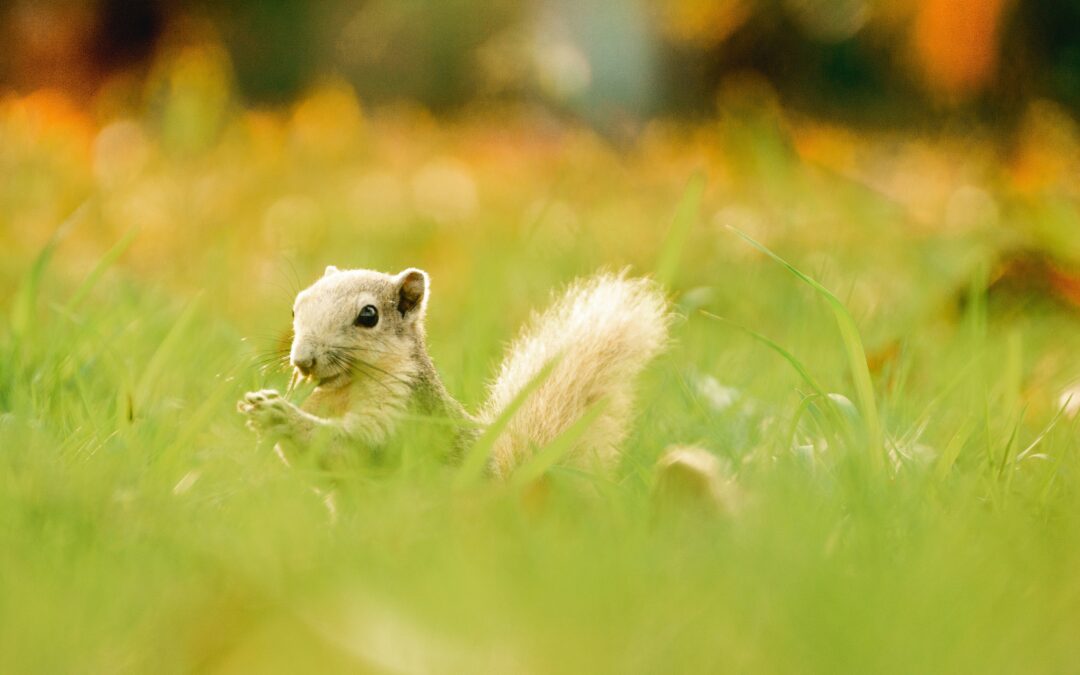
If you’ve ever watched squirrels in your backyard or a local park, you know how much these little creatures love nuts. But not every nut is the same. Some are healthy, while others can be harmful if given too often. Two of the most common options people think about are peanuts and pistachios.
Both are easily available, but the question is: which one is actually better for squirrels?
Let’s go deep into this topic and cover everything, nutrition, safety, benefits, risks, and real-life observations. By the end, you’ll understand the differences clearly and know how to make the right choice if you ever feel like sharing a snack with these energetic animals.
The Basics: Do Squirrels Eat Peanuts and Pistachios?
Yes, squirrels will happily eat both peanuts and pistachios. If you place either in front of them, you’ll see how quickly they crack, nibble, and stash them away. But just because they eat something doesn’t always mean it’s good for them.
Think about how kids will reach for candy without thinking about nutrition. Squirrels behave in the same way with certain foods. They don’t check labels or worry about balanced diets. They just follow instinct, taste, and availability. That’s why it’s important for us to know the real impact of these foods before tossing them out into the yard.
Peanuts: Cheap, Popular, But Misunderstood
Peanuts are probably the first nut people think of when feeding wildlife. They’re cheap, they’re everywhere, and squirrels devour them. But here’s the twist: peanuts are not technically nuts. They’re legumes, just like beans or lentils.
This difference matters because their nutrient profile and storage properties aren’t the same as true tree nuts.
Nutritional Highlights of Peanuts:
- High in protein
- Moderate fat content
- Contain some vitamins like niacin and vitamin E
- Contain minerals like magnesium and phosphorus
On paper, this looks okay. But there are hidden concerns, and they’re worth discussing in detail.
Problems With Peanuts for Squirrels
Risk of Mold (Aflatoxins):
Peanuts can develop mold that produces aflatoxins. These toxins are harmful not just to squirrels but also to birds, other wildlife, and even humans. Once mold sets in, it’s invisible to the eye but dangerous when ingested.
Salt and Flavoring:
The peanuts sold in stores for human snacking are often salted, roasted, or flavored. Excess salt is harmful to squirrels and can cause dehydration or kidney stress.
Not Ideal Nutrition:
Compared to tree nuts, peanuts don’t provide the same variety of essential fatty acids. They’re okay in moderation but not the best choice for a long-term diet.
Addictive Behavior:
Squirrels, like people, can develop a preference for peanuts. If they get them regularly, they may start ignoring healthier natural options, which can throw off their natural diet.
Pistachios: A Healthier Tree Nut Option
Pistachios, unlike peanuts, are true tree nuts. They’re richer in certain nutrients and generally considered safer for squirrels—if given correctly.
Nutritional Highlights of Pistachios:
- High in healthy fats (especially monounsaturated fats)
- Good source of protein
- Contain vitamin B6, potassium, and antioxidants
- Natural source of fiber
These features make pistachios closer to the kinds of nuts squirrels would naturally find in the wild, like walnuts or acorns.
The Drawbacks of Pistachios
Salted and Processed Pistachios:
Just like peanuts, most pistachios sold for humans are salted. Squirrels should never eat salted nuts, as their tiny bodies can’t handle the excess sodium.
Shell Concerns:
Pistachios in shells can be fun for squirrels, as they love cracking things open. But hard or tightly sealed shells can sometimes cause dental stress if given too often.
High Fat Content:
While healthy fats are good, too many pistachios can lead to weight gain in squirrels. They need a balance of protein, fats, and carbohydrates, and pistachios are calorie-dense.
Let’s Compare Peanuts and Pistachios Side by Side
1. Safety:
- Peanuts: Higher mold risk, especially if stored improperly.
- Pistachios: Safer if unsalted and fresh.
2. Nutrition:
- Peanuts: More protein but less variety in healthy fats.
- Pistachios: Balanced fats, antioxidants, vitamins.
3. Availability:
- Peanuts: Cheap and abundant.
- Pistachios: Pricier, less common.
4. Natural Diet Fit:
- Peanuts: Unnatural for wild squirrels, more of a human food.
- Pistachios: Closer to tree nuts squirrels already eat.
From My Own Personal Experience
From my own personal experience, I’ve noticed that squirrels react differently depending on which nut you offer. When I put out peanuts, the squirrels rush in and grab them immediately, sometimes even fighting over them. But they often eat them quickly and move on.
With pistachios, I’ve seen more playful behavior. They spend extra time working on the shells, carrying them around, and even hiding them for later. It feels closer to how they treat acorns or walnuts. This tells me pistachios are more natural for them, even though both types of nuts excite them.
What Experts Recommend
Wildlife experts generally agree that neither peanuts nor pistachios should form the bulk of a squirrel’s diet. Instead, they recommend offering a mix of natural foods: acorns, walnuts, hazelnuts, fruits, and vegetables.
Peanuts can be given occasionally, but only raw, unsalted, and fresh. Pistachios are the better choice, as long as they are also unsalted and offered sparingly.
The Role of Moderation
The golden rule is moderation. A few peanuts or pistachios here and there won’t harm squirrels, but making them a daily habit can cause long-term problems. Think of it like giving candy to a child. Once in a while is fine, but too much will cause health issues.
Expanding Beyond Nuts
If you really want to support the squirrels around you, go beyond peanuts and pistachios. Offer:
- Fresh apple slices
- Carrot sticks
- Corn kernels
- Pumpkin seeds
- Walnuts or hazelnuts in shells
These options are closer to what squirrels would eat naturally and provide a wider range of nutrients.
So, Which Is Better for Squirrels?
If you’re deciding between peanuts and pistachios, pistachios come out on top. They’re closer to the natural diet of squirrels, safer when unsalted, and provide healthier fats. Peanuts, while popular, carry risks with mold, salt, and limited nutrition.
That doesn’t mean you should never give a squirrel a peanut. It just means you should be more cautious, and always choose raw, unsalted, and fresh ones if you do.
Final Thoughts
Watching squirrels eat is one of life’s simple joys. Whether you’re in your backyard, at a park, or on a hike, sharing a little food with them creates a connection with nature. But the choices you make matter.
Peanuts may be the quick go-to, but pistachios are the healthier long-term option. And beyond both, offering a range of natural foods is the best gift you can give these clever little animals.
So next time you see a squirrel, remember this: keep it natural, keep it safe, and keep it fun, for you and for them.