
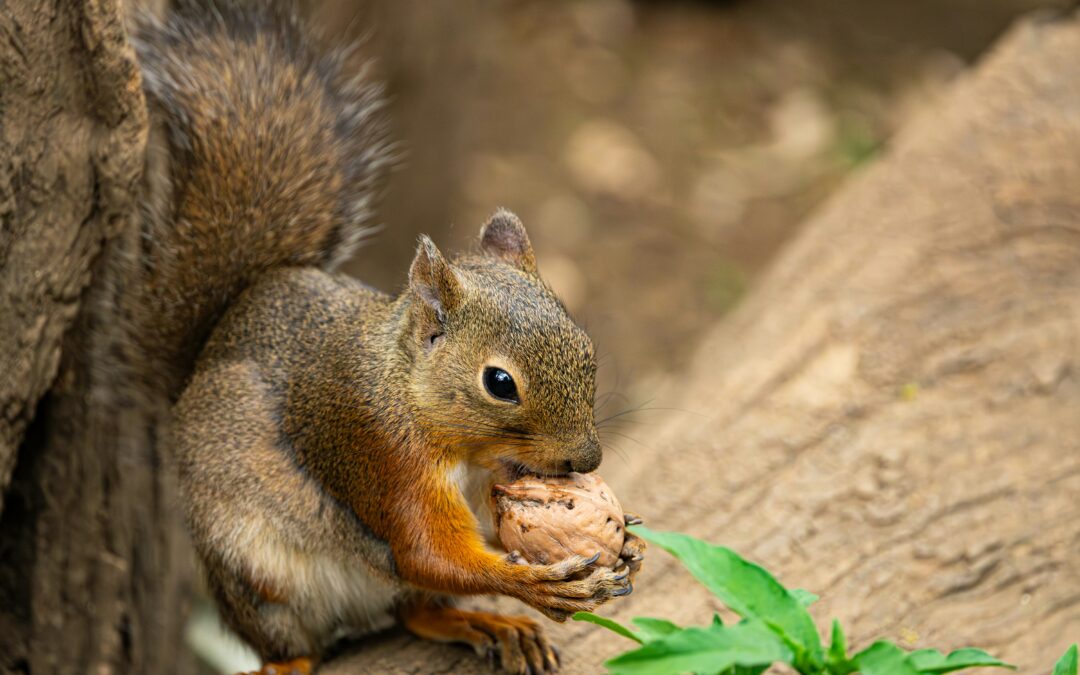
Squirrels have a reputation for their love of nuts, but not every nut is the same for them. If you’ve ever wondered whether pecans or pistachios are better for squirrels, you’re not alone. Both are popular options, but they come with different nutritional values, health effects, and even risks that many people overlook. In this guide, I’ll break everything down so you can understand which nut works best for these energetic animals.
From my own personal experience, feeding squirrels can feel rewarding, but it also raises questions about their health. You don’t want to give them something that might cause harm, even if it looks harmless to you. So let’s dive into the details of pecans and pistachios, compare them side by side, and see which nut actually makes more sense for squirrels.
Why Squirrels Love Nuts in General
Before looking at pecans and pistachios specifically, you need to understand why squirrels love nuts so much. Nuts are energy-dense, filled with fat and protein that help squirrels survive harsh winters or long days of activity. Since squirrels are constantly climbing, jumping, and storing food, they burn through calories quickly. Nuts are like concentrated fuel for them.
Nuts also help squirrels with:
- Building fat reserves for winter.
- Strengthening teeth through gnawing.
- Gaining proteins that support muscle growth.
Now, while most nuts are safe in moderation, each type has its own pros and cons. That’s why comparing pecans and pistachios matters.
Pecans for Squirrels
Pecans are a southern favorite among humans, and squirrels find them just as tempting. But what happens when squirrels actually eat them?
Nutritional Value of Pecans
Pecans are rich in fats, particularly monounsaturated fats. They also contain protein, vitamins like A and E, and minerals such as magnesium and potassium. This makes them a strong energy source. However, they are also high in calories, meaning squirrels can gain weight quickly if they eat too many.
For a quick breakdown, here’s what pecans provide per ounce (about 19 halves):
- Calories: ~200
- Fat: 20 grams
- Protein: 3 grams
- Carbohydrates: 4 grams
- Fiber: 3 grams
Benefits of Pecans for Squirrels
- High Energy – Pecans give squirrels the fuel they need to stay active.
- Vitamin E – Supports immune system and skin health.
- Magnesium and Zinc – Important for overall growth and metabolism.
- Natural Teeth Care – The hard shell (when given whole) helps wear down constantly growing teeth.
Risks of Pecans for Squirrels
- Too Fatty – Excess fat can lead to obesity in squirrels, especially if they get fed by humans regularly.
- Spoilage – Pecans can go rancid faster than some other nuts due to their oil content.
- Salted Pecans – Salted or flavored pecans are unsafe for squirrels and can damage their kidneys.
Pistachios for Squirrels
Pistachios are another favorite, but they are a bit different in how they affect squirrels.
Nutritional Value of Pistachios
Pistachios are slightly lower in fat compared to pecans, but they are higher in protein. This gives them a different balance that can be better in some cases.
Per ounce (about 49 kernels):
- Calories: ~160
- Fat: 13 grams
- Protein: 6 grams
- Carbohydrates: 8 grams
- Fiber: 3 grams
Benefits of Pistachios for Squirrels
- More Protein – Helps squirrels maintain muscle for climbing and jumping.
- Healthy Fats – Still provides good energy, but with slightly less fat than pecans.
- Iron and Potassium – Important for circulation and heart health.
- Crackable Shells – Squirrels enjoy the challenge of opening pistachios, which stimulates their natural foraging behavior.
Risks of Pistachios for Squirrels
- Salted Pistachios – Just like pecans, salted pistachios are harmful and must never be given.
- Overeating – Even though pistachios are lighter than pecans, too many can still upset digestion.
- Artificial Flavoring – Human snacks with pistachio flavoring are unsafe.
Pecans vs. Pistachios: A Side-by-Side Comparison
When comparing pecans and pistachios for squirrels, the difference mostly comes down to fat and protein.
| Category | Pecans | Pistachios |
|---|---|---|
| Calories per ounce | 200 | 160 |
| Fat | 20 g | 13 g |
| Protein | 3 g | 6 g |
| Carbs | 4 g | 8 g |
| Fiber | 3 g | 3 g |
From this table, you can see pecans are much fattier, while pistachios give more protein with fewer calories.
Which Nut Is Better for Squirrels?
If you’re choosing between the two, pistachios are usually the safer choice in moderation. They offer more protein and less fat, which means less risk of obesity. Pecans, while nutritious, can be too rich if given often.
That said, both nuts can be fine for squirrels when offered sparingly. The key is balance and moderation. A squirrel that eats too many pecans may struggle with weight, while a squirrel that eats only pistachios misses out on some healthy fats.
Safe Feeding Tips for Pecans and Pistachios
- Keep Nuts Unsalted – Never give squirrels salted or flavored nuts.
- Leave Nuts in Shells – This helps keep their teeth healthy and provides stimulation.
- Limit Portions – A couple of nuts at a time is plenty.
- Rotate Options – Mix pecans with pistachios and other safe nuts like hazelnuts or walnuts.
- Avoid Moldy Nuts – Mold is toxic to squirrels and can be deadly.
How Squirrels Store Pecans vs. Pistachios
Squirrels are natural hoarders. They bury food to save for later, which is called “caching.” Pecans and pistachios both play into this behavior.
- Pecans – With their harder shells, pecans can last longer underground before spoiling.
- Pistachios – Easier to open, but also quicker to spoil if the shell is damaged.
This means squirrels may prefer storing pecans for long-term use while eating pistachios sooner.
Common Myths About Feeding Pecans and Pistachios to Squirrels
- “All nuts are safe for squirrels.” – Not true. Some nuts like almonds (especially bitter ones) contain toxins.
- “Salted nuts are fine in small amounts.” – No, even small amounts of salt harm squirrels.
- “Squirrels need human snacks.” – Absolutely false. They need natural, plain foods.
Final Thoughts
Both pecans and pistachios can be part of a squirrel’s diet, but pistachios tend to be the healthier choice if you want to avoid excess fat. Pecans, while energy-rich, are better as an occasional treat rather than a staple.
Based on my overall experience, squirrels benefit most when you keep their food as close to natural as possible. That means plain, unsalted, in-shell nuts given in moderation. Watching them crack open shells, stash food, and enjoy a natural diet is not only safe for them but also rewarding for you.
So, if you’re standing in your kitchen wondering whether to toss a squirrel a pecan or a pistachio, go with a plain pistachio most of the time. Save pecans for a special treat, and your neighborhood squirrels will stay healthy, happy, and active.