
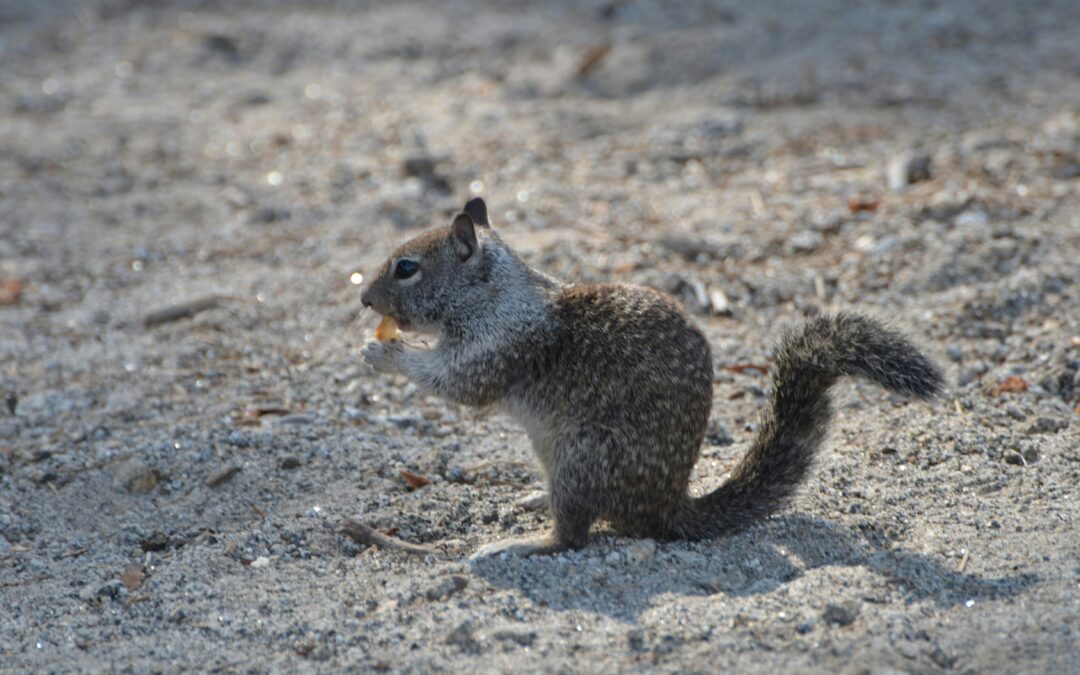
Squirrels are everywhere, dashing across yards, climbing trees, and sometimes, unfortunately, running into trouble. Seeing a squirrel injured can be heartbreaking. They’re small, fragile, and incredibly fast creatures, which makes them vulnerable to car accidents, predators, and even natural mishaps. But what should you do when encountering one that’s hurt? From my own personal experience, handling an injured squirrel requires patience, care, and quick action if you want to give it a fighting chance.
Recognize an Injured Squirrel First
Before anything else, the first step is to identify whether the squirrel is truly injured. Sometimes squirrels appear to be in trouble but are actually just resting or moving slowly because of cold weather. Common signs of injury include limping, bleeding, unusual lethargy, difficulty breathing, missing fur patches, or visible wounds. A squirrel that is lying motionless or shaking uncontrollably is almost certainly hurt and may need immediate help.
It’s important to observe from a distance at first. Wild squirrels are easily stressed by human presence. Getting too close too quickly can cause further panic or injury. From a safe distance, try to note exactly what’s wrong. Are its legs or tail hurt? Does it appear disoriented? Is there a visible wound? These observations will help determine the next steps.
Safety First: Protect Yourself and the Squirrel
Even though squirrels are small and cute, they are still wild animals. Injured squirrels may bite or scratch out of fear. Before handling one, make sure to wear thick gloves and long sleeves. Towels or small blankets can also help safely cover and pick up the squirrel without causing more stress or injury.
Never attempt to handle a squirrel with bare hands. Not only can it result in bites, but wild animals can carry diseases like rabies, leptospirosis, or parasites. Keeping yourself safe while ensuring the animal is protected is key.
Assess the Level of Injury
Once you’ve safely approached the squirrel, gently check for obvious injuries. Look for broken limbs, open wounds, or signs of internal injury such as bleeding from the mouth or nose. Some injuries may not be immediately visible, like internal bleeding or shock, but external wounds are easier to identify and manage temporarily.
Squirrels often go into shock when injured. Signs of shock include rapid breathing, cold extremities, unresponsiveness, or shaking. If you notice these, the squirrel needs immediate attention and warmth. A small box lined with a soft towel or blanket can help. Place the squirrel inside and keep it in a warm, quiet, and dark space to reduce stress.
Immediate Care at Home
If professional help isn’t immediately available, you may need to provide first aid while waiting. Make sure the environment is calm. Avoid loud noises or pets. Keeping the squirrel hydrated is crucial, but never force water into its mouth. A small dropper with water or a shallow dish can be offered. Some people use sugar water for energy, but plain water is generally safest.
For bleeding wounds, apply gentle pressure with a clean cloth or gauze. Avoid using ointments, antiseptics, or medications unless instructed by a veterinarian or wildlife rehabilitator. Squirrels have very delicate skin and may react negatively to chemicals that are safe for humans.
Feed an Injured Squirrel
Feeding is tricky. Injured squirrels might be too weak to eat or drink on their own. For short-term care, offering easy-to-digest foods like soaked dog or cat kibble, small pieces of fruit, or specially formulated squirrel food can help. Never give milk, as squirrels are lactose intolerant. Nuts can be introduced later when the squirrel is alert and able to handle solid foods.
Keep the feeding area calm and quiet. Stress can prevent the squirrel from eating and delay recovery. Feeding should always be secondary to ensuring the squirrel is warm, safe, and stable.
Find Professional Help
While short-term care at home is possible, professional help is often the best route. Wildlife rehabilitators have the knowledge, experience, and equipment to handle injured squirrels safely. They can treat broken bones, infections, or internal injuries, and give the squirrel the best chance of survival.
To find help, search online for licensed wildlife rehabilitation centers in your area. Some veterinary clinics may also be able to assist or refer you to a specialist. Always call ahead to explain the situation and follow their instructions carefully. Transporting an injured squirrel without guidance can sometimes worsen the injury, so professional advice is key.
Transport the Squirrel
When taking the squirrel to a rehab center or veterinarian, use a secure box or pet carrier. Line it with a soft towel and make sure it is well-ventilated but escape-proof. Keep the box stable during transport to avoid additional injury.
Drive calmly and avoid sudden stops or jerky movements. If possible, place the box on the floor of the car instead of a seat. This reduces the chance of the squirrel tumbling around and hurting itself further.
Understand Recovery
Once in the hands of professionals, recovery can take days to weeks depending on the injury. Squirrels are resilient, but they need proper care, nutrition, and sometimes physical therapy to regain full mobility. Many rehab centers will keep injured squirrels until they can safely return to the wild.
It’s natural to feel anxious about the squirrel’s recovery, especially if you’ve taken care of it at home. From my own personal experience, staying informed and following up with the rehabilitator can be comforting. Remember, rushing the process can do more harm than good.
Long-Term Considerations
If you’re considering keeping the squirrel, be aware that wild squirrels are not meant to live in captivity. They can become stressed easily and may struggle with long-term health issues if not released. The goal should always be to rehabilitate and release them safely.
Once the squirrel is healthy, professionals will determine the best release method. Typically, they release squirrels back into suitable habitats where food and shelter are abundant. Your role in the process is mostly supportive, ensuring the animal reaches the release stage safely.
Prevent Future Injuries
While you can’t control everything, you can help reduce the chances of squirrels getting hurt around your home. If you have a garden or trees nearby, avoid using traps, chemicals, or dangerous machinery when squirrels are active. Bird feeders can attract squirrels, so place them in areas where they can feed safely without risking falls or encounters with predators.
If driving, be mindful of squirrels crossing roads, especially during morning or evening hours. Even small adjustments, like slowing down near wooded areas, can prevent accidents.
Understand Wildlife Laws
It’s important to know local regulations when handling injured wildlife. In many areas, it’s illegal to keep wild animals without proper permits. Wildlife rehabilitators are licensed for a reason, they understand the legal and safety requirements for handling these creatures. Always respect laws and guidelines to ensure both your safety and the squirrel’s welfare.
Emotional Impact of Helping Wildlife
Caring for an injured squirrel can be emotional. You might feel a strong attachment or sadness if the animal doesn’t survive. This is normal. Wildlife rehabilitation can be unpredictable, and success isn’t guaranteed every time. However, providing care, even temporarily, makes a real difference in the life of the animal.
From my own personal experience, the sense of fulfillment from helping an injured squirrel outweighs the stress or challenges. Seeing a tiny creature recover and return to its home in the wild is one of the most rewarding experiences.
Conclusion
Finding an injured squirrel can be overwhelming, but knowing the right steps to take makes a huge difference. First, observe and assess the injury from a distance. Protect yourself and the animal while providing immediate care if needed. Offer water and safe foods, and contact a professional wildlife rehabilitator for the best chance of recovery. Ensure safe transport, respect legal guidelines, and understand that the ultimate goal is to release the squirrel back into the wild.
Every encounter with injured wildlife is an opportunity to make a positive impact. Even if the squirrel’s injuries are severe, providing temporary care, warmth, and protection shows compassion and responsibility. From my own personal experience, helping these little creatures not only saves lives but also creates a lasting connection to nature and the world around us.