
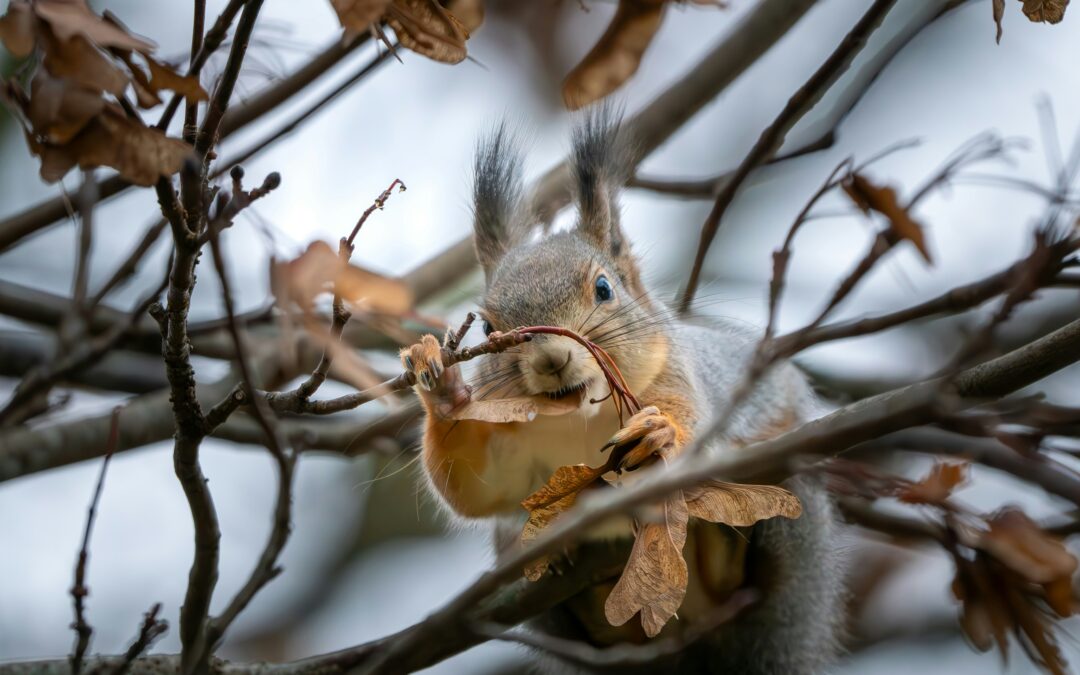
Squirrels are some of the most fascinating and adaptable creatures in our backyards and forests. They are fast, clever, and surprisingly social, depending on the species. But if there’s one aspect of their lives that people often overlook, it’s their breeding habits. Understanding squirrel breeding seasons gives insight into their behavior, population growth, and even how to coexist with them in urban or rural areas. From my own personal experience, observing squirrels over the years shows that their breeding patterns can vary widely depending on where they live and the species you are watching.
Let’s Understand Squirrel Species and Their Habits First
Before diving into breeding seasons, it’s important to know which types of squirrels we are talking about. Broadly, squirrels fall into three main categories: tree squirrels, ground squirrels, and flying squirrels. Each group has unique reproductive habits.
Tree squirrels, such as the Eastern Gray Squirrel, are the most common in urban areas. They are highly adaptable and breed twice a year in most climates. Ground squirrels, including the California Ground Squirrel, usually have a single breeding season, often linked closely to seasonal food availability. Flying squirrels, which are nocturnal and less visible, also have distinct breeding periods, but these are often less documented due to their secretive lifestyle.
Knowing the type of squirrel you are observing is crucial. Breeding behavior, gestation periods, litter size, and even parenting roles vary significantly between species.
When Do Squirrels Breed?
Squirrel breeding seasons are generally linked to the climate and food availability of their habitats. Most squirrels have two main breeding seasons per year:
- Late Winter to Early Spring
This is typically the first breeding season, starting as early as January or February in mild climates and stretching into March or April in colder regions. The timing ensures that young squirrels are born during spring when food sources like nuts, fruits, and seeds begin to become plentiful. This synchronization with nature maximizes the survival chances of the offspring. - Late Summer to Early Autumn
The second breeding season usually occurs around June to August. By the time the babies are born, the environment is still rich with food, allowing young squirrels to prepare for the coming winter. However, this timing can be riskier in areas with harsh winters, as late-born squirrels might face survival challenges if temperatures drop suddenly.
Some species, like the Eastern Gray Squirrel, are more predictable, while others, especially ground squirrels, may shift breeding times depending on the local climate or food availability.
The Reproductive Cycle
Squirrels have a fascinating reproductive cycle. Female squirrels enter estrus, or heat, typically once or twice a year. Estrus lasts only a short period, usually one day, meaning that the opportunity for conception is brief. Male squirrels, on the other hand, remain fertile and actively search for females during this period.
After mating, the gestation period varies by species. For example, tree squirrels like the Eastern Gray Squirrel have a gestation period of about 44 days. Ground squirrels may have slightly longer or shorter gestation periods depending on environmental conditions. During gestation, females prepare nests, often called dreys, in tree branches, underground burrows, or even in abandoned buildings.
Litter sizes also vary. Tree squirrels usually have 2 to 4 babies per litter, while ground squirrels can have 5 to 10. Flying squirrels, being smaller and nocturnal, typically have 2 to 3 young. The size of the litter often reflects the survival challenges of the species, more babies increase the chance that some will survive predation, food scarcity, or harsh weather.
Signs of Breeding Season in Squirrels
For people curious about observing squirrels, there are clear signs that breeding season is underway:
- Increased Activity: Male squirrels become noticeably more active, chasing females and marking territories.
- Aggression: Fights between males become common as they compete for mates.
- Nest Building: Females prepare nests for their future young, sometimes renovating old dreys or creating new ones.
- Vocalizations: Squirrels, especially tree squirrels, use chirps, barks, or other sounds more frequently during mating season.
Observing these behaviors can help you pinpoint the breeding season in your area without needing any specialized equipment.
The Role of Food and Climate
Food availability plays a huge role in determining the timing and success of breeding seasons. Squirrels rely on nuts, seeds, fruits, and even fungi to fuel their energy-intensive reproductive processes. In regions where food is abundant year-round, squirrels may breed more predictably, while in harsher climates, breeding seasons can be shorter or less synchronized.
Temperature and weather also affect breeding. Cold winters delay estrus in females, while mild conditions may allow for an earlier or extended breeding season. From my own personal experience, squirrels in urban areas with plentiful food sometimes have more successful second litters than their counterparts in the wild. The abundance of bird feeders, nut trees, and urban greenery can create a small reproductive advantage.
Parenting and Raising Young
Once the babies are born, the work isn’t over. Female squirrels are the primary caregivers, nursing and grooming the young, keeping them warm, and teaching essential survival skills like climbing and foraging.
Young squirrels are typically born hairless, blind, and completely dependent. Tree squirrels, for example, start opening their eyes around 4 to 5 weeks of age and begin exploring the nest soon after. By 8 to 10 weeks, they are learning to climb, and by 12 weeks, many are venturing out of the nest entirely. Ground squirrels often emerge from burrows later, around 6 to 8 weeks, but they adapt quickly to life above ground.
The survival of young squirrels is influenced by predation, disease, and environmental conditions. Birds of prey, snakes, foxes, and domestic pets all pose threats. Nest location, timing of birth, and the health of the mother play critical roles in determining how many survive to adulthood.
Squirrel Breeding Myths
There are several misconceptions about squirrels and breeding:
- Squirrels breed all year round: While some urban squirrels might seem to, true seasonal breeding dominates most species.
- More nests mean more babies: Not necessarily. Squirrels may use multiple nests for safety, not for raising more litters simultaneously.
- All squirrels have the same breeding season: Timing varies by species, climate, and even local food availability.
Understanding these myths helps people appreciate squirrels’ natural behavior rather than imposing human assumptions.
Human Impact on Squirrel Breeding
Urbanization, deforestation, and climate change all influence squirrel breeding patterns. Cities can extend breeding seasons for some squirrels due to artificial food sources and milder microclimates. Conversely, habitat destruction can reduce breeding success by limiting nest sites and increasing stress levels.
From my own personal experience, squirrels in suburban areas seem more daring and active during breeding season. They may approach gardens and bird feeders more frequently, likely because urban environments offer both safety from some predators and plentiful food. While this makes observation easier, it also introduces new challenges, like conflicts with humans or pets.
Observing Squirrel Breeding Responsibly
If you want to study or observe squirrels, doing so responsibly is important. Here are some tips:
- Keep a safe distance; avoid handling or disturbing nests.
- Use binoculars or cameras for observation rather than direct interference.
- Avoid feeding squirrels during critical breeding times; it may alter their natural behavior.
- Document behaviors in a notebook or digital log to better understand local breeding patterns.
Responsible observation ensures that you learn from squirrels without causing harm or stress.
Conclusion
Squirrel breeding seasons are a fascinating and vital part of their life cycle. Typically, squirrels breed twice a year, with timing influenced by climate, food availability, and species. Their reproductive cycles involve brief periods of estrus, gestation, careful nest building, and attentive parenting. Observing these patterns can reveal a lot about local ecosystems and how animals adapt to changing conditions.
Learning about squirrel breeding seasons not only makes backyard observations more exciting but also highlights the delicate balance of nature. With careful observation and respect for wildlife, you can enjoy witnessing these clever creatures as they continue their age-old cycles of life.
Whether you’re a nature enthusiast, gardener, or just curious about the animals sharing your environment, understanding squirrel breeding gives a window into their survival strategies and behavior. By recognizing the signs of breeding, the influence of food and climate, and the challenges young squirrels face, you can appreciate the resilience and adaptability of these remarkable animals.