
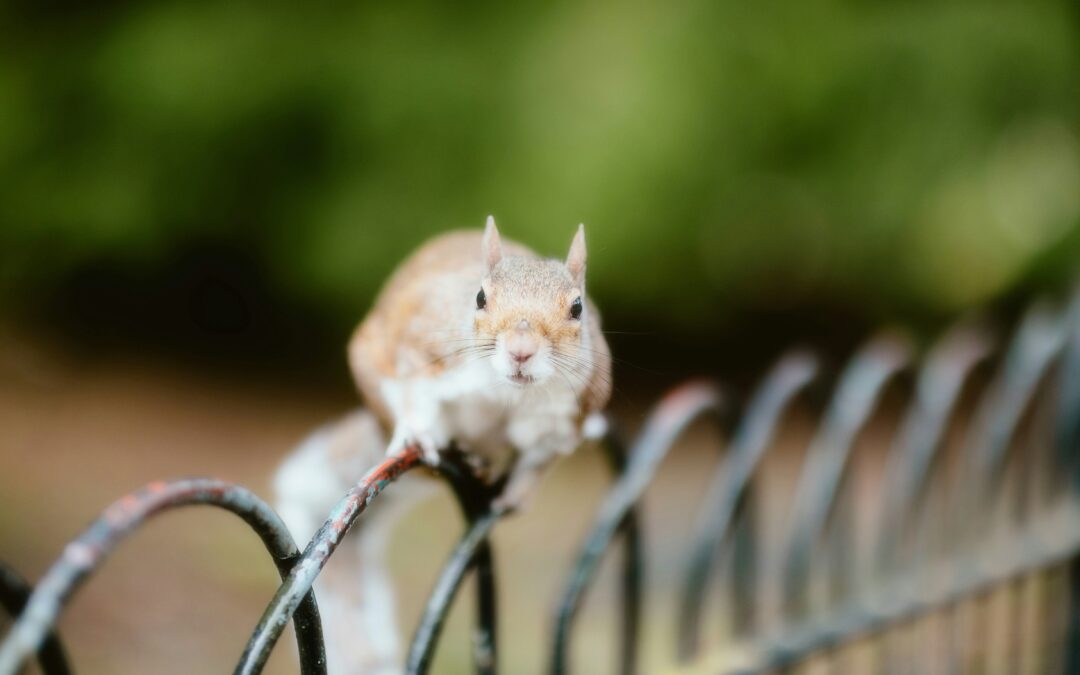
Squirrels are adorable, quick, and curious little creatures. They might look harmless while hopping around the yard or nibbling on a tree branch, but for gardeners, homeowners, and even car owners, squirrels can be a real headache. From gnawed bird feeders to stripped garden plants, their curiosity often crosses into annoyance territory. One of the most effective ways to keep them at bay is understanding what they dislike, and surprisingly, it often comes down to smell.
From my own personal experience, squirrels are incredibly sensitive to certain scents, and knowing these can help prevent them from invading your garden, attic, or other spaces. But it’s not just about spraying anything and hoping it works. Some smells are naturally repellent, while others can actually make the problem worse. Let’s dive into the smells squirrels hate the most and how to use them safely and effectively.
The Power of Smell for Squirrels
Squirrels have a keen sense of smell. They rely on it to find food, detect predators, and even communicate with other squirrels. This sense is far more sensitive than humans’, which means a scent that seems faint to us can be overpowering to a squirrel.
Because of this, using smell-based repellents is often safer and more humane than traps or poisons. Instead of hurting the animal, these scents encourage squirrels to stay away naturally.
Strong Spices: The Scent That Sends Them Running
Certain spices are particularly offensive to squirrels. Among the most effective are cayenne pepper, chili powder, and black pepper. The capsaicin in these spices irritates squirrels’ noses and mouths, making anything coated in it extremely unappealing.
From my own personal experience, sprinkling cayenne pepper around garden beds, flowerpots, or the base of trees stops squirrels from digging up bulbs or chewing on plants. Even better, mixing the spices with a bit of water and spraying it lightly on the area keeps the scent fresh for longer periods.
It’s important to remember that these spices don’t harm squirrels. They simply make the area uncomfortable for them. For humans handling this, gloves are a must, as these spices can be irritating to the skin and eyes.
Citrus: Nature’s Natural Deterrent
Citrus fruits, especially oranges, lemons, and limes, are another smell that squirrels dislike intensely. The oils in the peels contain compounds that act as natural repellents. You can use this in multiple ways:
Scatter citrus peels around areas where squirrels tend to gather.
Make a spray by soaking citrus peels in water for a few days, then spraying it around plants, fences, or even bird feeders.
Combine citrus with other strong-smelling herbs for a more potent mix.
One thing to keep in mind is that citrus scents fade faster than spices, so frequent reapplication is necessary.
Garlic: Not Just for Cooking
Garlic has been used for centuries as a natural pest deterrent, and it works well against squirrels. Its strong, pungent smell overwhelms their sensitive noses and keeps them at a distance. Garlic can be used in several ways:
- Crush garlic cloves and scatter them near garden beds.
- Make a garlic spray by blending cloves with water, straining, and spraying the liquid around plants.
- Mix garlic with chili powder for an extra kick.
From my own personal experience, garlic works especially well around shrubs and fruit trees. Squirrels seem to avoid anything with a strong garlic scent for days at a time.
Predator Scents: The Squirrel’s Worst Fear
Squirrels are prey animals, which means they are hardwired to avoid danger. Using the smell of predators can create a psychological barrier that keeps them away. Common predator scents include:
- Fox urine
- Coyote urine
- Predator scent sprays sold at garden stores
While it may feel extreme, this method takes advantage of squirrels’ natural survival instincts. They detect these smells with ease and avoid areas where predators might be lurking.
Be careful with these scents, as they can be strong and overwhelming for humans too. Use them sparingly and strategically.
Mint and Strong Herbs: The Refreshing Deterrent
Mint, rosemary, and thyme are other herbs squirrels dislike. Their strong aromas disrupt squirrels’ sense of comfort and safety. Planting these herbs around garden edges or pots can serve as a natural barrier.
Additionally, making herb sprays is simple: steep the herbs in boiling water, let it cool, and spray the liquid around areas to protect. Not only does this help repel squirrels, but it also adds a fresh scent for humans, unlike predator scents which can be overpowering.
Commercial Smell Repellents: Convenience in a Bottle
For those who prefer ready-to-use solutions, commercial squirrel repellents are available in spray, granule, or pellet form. These products usually combine multiple scents, spicy, citrus, and predator scents, to maximize effectiveness.
One advantage of commercial repellents is their consistency. While homemade sprays need frequent reapplication, commercial products are often formulated to last longer, especially during rain or irrigation. However, natural alternatives often work just as well if applied correctly.
Use Smell Repellents Effectively
Knowing what squirrels hate is only half the battle. Using repellents effectively ensures lasting results:
Reapply frequently: Most natural scents fade over time, especially in wet conditions.
Target high-risk areas: Focus on fruit trees, bird feeders, gardens, and attic entrances.
Combine methods: Mixing citrus with spices or garlic can be more effective than a single scent.
Stay consistent: Squirrels are smart and may test boundaries. Consistent application reinforces the deterrent.
Common Mistakes to Avoid
Even the best repellents fail if misused. Avoid these common mistakes:
- Spraying near edible plants without care, as some spices or garlic may alter taste.
- Using scents sparingly. Squirrels need a strong signal to avoid the area.
- Expecting immediate results. Some squirrels may take a few visits to recognize the discomfort.
From my own personal experience, patience and persistence make a huge difference. It might take a few days for squirrels to completely stop visiting, but the results are worth it.
Additional Tips to Keep Squirrels Away
- Seal access points: If squirrels are in attics or sheds, make sure to seal holes and gaps.
- Use physical barriers: Netting or fences complement smell repellents for a more complete solution.
- Maintain cleanliness: Keep bird feeders clean and avoid leaving nuts or seeds scattered, which can attract squirrels.
Combining scent deterrents with these strategies maximizes effectiveness without harming squirrels.
Why Understanding Squirrel Behavior Matters
Squirrels aren’t malicious; they’re just following instincts. By understanding what they dislike, especially in terms of smell, it’s possible to create a squirrel-free zone without resorting to cruelty.
The right smells, applied consistently, teach squirrels to avoid certain areas while leaving them free to roam elsewhere. This approach is sustainable, humane, and surprisingly effective.
Conclusion
Squirrels hate certain smells more than anything else. Spicy scents like cayenne and chili, pungent garlic, fresh citrus, strong herbs, and predator odors all work to repel them. Using these scents wisely, combined with consistent application and other deterrent strategies, keeps squirrels out without harming them.
From my own personal experience, a combination of cayenne pepper, garlic spray, and citrus peels around the garden was enough to stop repeated visits for months. It’s not just about scaring them away—it’s about creating boundaries that squirrels respect.
Keeping squirrels at bay doesn’t have to involve traps or poisons. By understanding their sense of smell and natural instincts, it’s possible to protect gardens, bird feeders, and homes in a humane, effective way.