
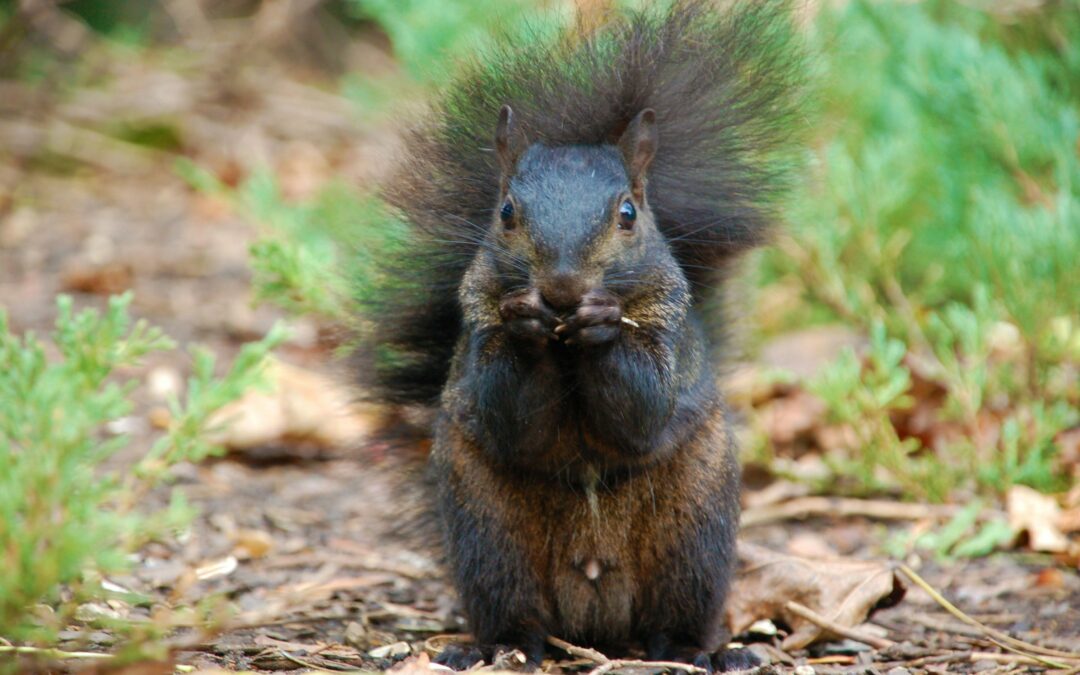
Squirrels are small, energetic creatures that are fascinating to watch. If you’ve ever noticed a change in a local squirrel’s behavior, you might wonder whether it’s pregnant. While it’s not as common as observing pregnant cats or dogs, pregnant squirrels do show some distinct signs, and knowing them can be both fun and useful, especially if you enjoy backyard wildlife observation. From my own personal experience, spotting a pregnant squirrel requires attention to detail and patience because these little animals are naturally cautious. Let’s break down the key signs and behaviors that indicate a squirrel might be expecting.
Physical Changes in Pregnant Squirrels
One of the first things to notice is the physical changes in the squirrel. Female squirrels are relatively small, and any change in body size can be subtle but noticeable if observed over time.
1. Swollen Abdomen
As pregnancy progresses, a squirrel’s abdomen will gradually swell. Early on, this might be hard to detect, but as the pregnancy advances, the belly becomes rounder and more pronounced. This swelling is more noticeable when the squirrel is sitting still or feeding, as the small movements of a squirrel in motion often hide the change.
2. Enlarged Nipples
Another physical indicator is the enlargement of nipples. Female squirrels produce milk shortly before giving birth, so the nipples become more visible. If you observe a squirrel grooming itself or standing in a way that reveals its underside, enlarged nipples may be a clear sign of impending motherhood.
3. Weight Gain
Pregnant squirrels often appear slightly heavier, not just in the belly area. Their overall body might seem plumper, and their movements can become less energetic. While squirrels are naturally nimble and quick, a pregnant squirrel may show subtle changes in agility, slowing down when climbing or jumping.
Behavioral Signs of Pregnancy
Squirrels are usually active and alert, but pregnancy can subtly change their behavior.
1. Nesting Behavior
One of the clearest behavioral signs is increased nesting. Pregnant squirrels start to prepare a safe and cozy space for their babies. You may notice a female gathering leaves, twigs, or other soft materials and spending more time inside a nest, also called a dreys. The nesting activity usually intensifies closer to the birthing period.
2. Reduced Activity Levels
Although squirrels are naturally busy, pregnant females often show reduced activity. You might see them staying in one area for longer, moving less frequently, or resting more. This behavior helps conserve energy and protects them from predators during this vulnerable period.
3. Feeding Patterns
Pregnant squirrels may adjust their eating habits. They often increase food intake to support fetal development. Nuts, seeds, and fruits might become a priority. Observing a squirrel carrying more food back to its nest could also indicate that it’s preparing for the arrival of its babies.
Timing and Seasonal Considerations
Understanding squirrel pregnancy also requires knowing a bit about their reproductive cycle.
1. Breeding Season
Most squirrels breed once or twice a year, depending on the species. For instance, Eastern gray squirrels typically breed in late winter and again in early summer. Knowing these periods can help you anticipate when a female might be pregnant.
2. Gestation Period
Squirrel pregnancies last roughly 44 days on average. This is a short period, so changes happen quickly. If you notice physical or behavioral changes, they might appear within just a few weeks, which means consistent observation is key.
3. Age and Experience
Young squirrels may behave differently during pregnancy than older, experienced mothers. First-time mothers might be more cautious, more prone to hiding, and slightly more restless in nest preparation. Observing squirrels over multiple seasons can help differentiate normal behavior from pregnancy-related changes.
Signs You Might Be Observing
Let’s put this all together. When looking at squirrels, the following combination of signs often points to pregnancy:
- A noticeable round belly and slightly plumper overall body
- Visible, enlarged nipples if the underside is observable
- Increased time spent in a nest or gathering nesting material
- Slightly slower movement and reduced activity
- More frequent feeding and food storage
- Increased caution and alertness around potential threats
None of these signs alone guarantees pregnancy, but a combination of them strongly suggests it.
How to Observe Without Disturbing
It’s important to remember that squirrels are wild animals, and disturbing them can cause stress. Here are some tips for responsible observation:
1. Keep a Distance
Use binoculars or a camera with a zoom lens to observe physical changes without getting too close. Approaching too near may cause the female to abandon her nest.
2. Observe Over Time
Short-term observation might not reveal pregnancy signs. Tracking behavior over days or weeks gives a clearer picture. Take note of nest-building activity, movement patterns, and changes in feeding behavior.
3. Avoid Handling
Never attempt to touch or move a pregnant squirrel. They are delicate during this time, and interference could harm both the mother and the unborn babies.
Common Misconceptions
People often mistake other factors for pregnancy. Understanding these helps avoid confusion:
1. Fat vs. Pregnant
Not every plump squirrel is pregnant. Seasonal weight gain or a diet rich in food can make a squirrel look rounder. Observing behavioral changes along with physical ones helps clarify.
2. Nesting Isn’t Always Pregnancy
Squirrels build nests for shelter, not just for babies. Winter or harsh weather may trigger extra nesting activity even in non-pregnant squirrels.
3. Movement Patterns Vary
A slower-moving squirrel isn’t necessarily pregnant. Illness, injury, or older age can also affect mobility. Combine multiple signs to make a more accurate assessment.
Preparing for Baby Squirrels
If you do identify a pregnant squirrel in your yard, you might wonder whether to intervene. Generally, the best approach is hands-off support.
1. Safe Habitat
Ensure there are trees, shrubs, and quiet areas where the squirrel can build its nest safely. Avoid disturbing these spots.
2. Food Sources
Providing food is optional but can help, especially during the later stages of pregnancy. Nuts, seeds, and fresh fruits are good choices. Avoid processed or sugary foods that could harm the squirrel.
3. Limit Predators
Keep pets and predators away from areas where the female is nesting. Pregnant squirrels are vulnerable, and protecting them improves the chances of healthy offspring.
Observing the Birth Process
While rare, some backyard observers have witnessed squirrels giving birth. Here’s what typically happens:
- Birth usually occurs inside a well-hidden nest.
- Litters range from 2 to 8 babies, depending on the species.
- Newborn squirrels are tiny, hairless, and completely dependent on their mother.
- The mother is highly protective and rarely leaves the nest unattended.
From my own personal experience, even spotting a pregnant squirrel can feel magical. Seeing the careful preparation and the anticipation in their behavior adds a whole new level of appreciation for these small creatures.
After Birth: Caring for the Family
Once the babies are born, the mother continues her work with dedication. Observers should remember:
- The nest becomes a hub of activity as the mother feeds and tends to her young.
- Young squirrels gradually develop fur and mobility over the first few weeks.
- Watching them grow provides insight into their life cycle but should be done from a distance.
It’s important not to interfere, as human contact can stress the mother and potentially lead to abandonment.
When to Seek Help
Sometimes a pregnant squirrel may face challenges: injury, illness, or lack of food. In such cases, wildlife rehabilitation centers are the best option. Attempting to intervene without expertise can do more harm than good.
Conclusion
Spotting signs of squirrel pregnancy requires patience, keen observation, and an understanding of their behavior. Physical changes like a swollen abdomen and enlarged nipples, combined with behavioral cues such as increased nesting, reduced activity, and higher food intake, often indicate pregnancy. Seasonal awareness and careful observation over time improve accuracy.
From my own personal experience, observing a pregnant squirrel is both rewarding and enlightening. It allows a rare glimpse into the life cycle of these clever and agile creatures, deepening the connection with backyard wildlife while respecting their natural behavior. By watching responsibly and minimizing disturbance, anyone can enjoy the fascinating process of squirrel motherhood.
Understanding these signs helps not only in satisfying curiosity but also in supporting wildlife in your local area. Pregnant squirrels are delicate and deserving of respect, and observing them safely can provide both joy and knowledge.