
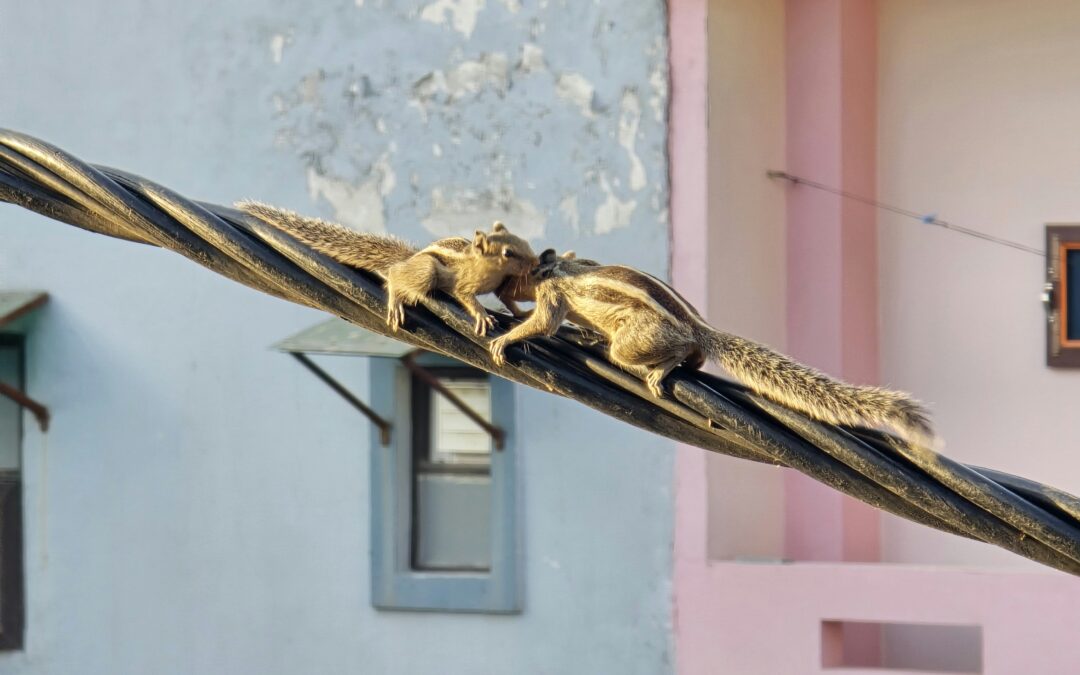
Squirrels are some of the most familiar animals you see in parks, forests, and sometimes even your backyard. They are curious, energetic, and always on the move, hopping from tree to tree with a speed that catches your attention. While their behavior is fun to watch, one question always comes up: what exactly do squirrels eat in the wild?
This is a question that can seem simple at first glance, but once you start looking closely, you realize that squirrels have a very flexible diet. They are not picky eaters. Instead, they adapt to the food available in their environment, whether that’s in dense forests, open grasslands, or suburban areas. Their survival depends on knowing where to find food across different seasons, and their eating habits are much more detailed than just munching on nuts.
From my own personal experience watching squirrels in natural parks and even in home gardens, I noticed that squirrels rarely stick to just one food source. They are smart enough to test different items and adjust their diet depending on what is available at the time. This adaptability is one of the main reasons squirrels thrive in so many parts of the world.
In this blog, let’s go deep into what squirrels eat in the wild, why their food choices matter, and how their diet changes throughout the year. By the end, you’ll have a clear and complete picture of what fuels these fast little creatures.
Let’s Understand the Natural Diet of Squirrels
Squirrels are considered omnivores, which means they eat both plant-based foods and, occasionally, animal-based items. While their diet is heavily plant-focused, they won’t turn down insects, small eggs, or even fungi if they come across them. Their diet is flexible, which gives them a survival advantage in changing environments.
Different species of squirrels (tree squirrels, ground squirrels, and flying squirrels) have slight variations in diet, depending on their habitat. But in general, there are consistent food categories they all rely on.
Nuts and Seeds: The Classic Squirrel Food
Why Nuts Are So Important
If you picture a squirrel, chances are you immediately imagine it holding a nut. Nuts and seeds are the backbone of a squirrel’s diet in the wild. They are nutrient-dense, offering proteins, fats, and carbohydrates all in one bite. This makes them the perfect food for energy and survival.
Common Nuts and Seeds Squirrels Eat
- Acorns from oak trees
- Walnuts
- Hickory nuts
- Pine nuts
- Pecans
- Sunflower seeds (wild patches or human-planted)
- Beech nuts
Squirrels don’t just eat these foods on the spot. They are famous for burying nuts in the soil or hiding them in tree crevices. This behavior, known as caching, ensures they have a supply of food during winter when resources are scarce. What’s fascinating is that squirrels remember many of their hiding spots, but some are forgotten. Those forgotten nuts often sprout into new trees, which makes squirrels accidental forest planters.
Fruits in a Squirrel’s Diet
Natural Sweetness in the Wild
Squirrels also enjoy fruits when they are in season. Wild berries and fruits give them natural sugars that provide quick bursts of energy.
Common Fruits Squirrels Eat
- Wild berries like blackberries, blueberries, and raspberries
- Apples that fall from wild or orchard trees
- Mulberries
- Wild cherries
- Grapes
- Persimmons
In the wild, squirrels usually eat fruits raw and straight from the tree or ground. They don’t store fruits as often because they spoil quickly, unlike nuts and seeds.
Vegetables and Plant Material
Greens in the Mix
Though squirrels are often pictured eating nuts, they also feed on fresh plant matter. In the wild, this means leaves, stems, buds, and sometimes roots.
Plant Foods They Eat
- Shoots from young plants
- Wild herbs
- Tree buds during spring
- Mushrooms and fungi
- Bark from certain trees
This side of their diet is especially important during spring and early summer when fresh green growth is abundant.
Insects and Protein Sources
Why They Eat Insects
While squirrels are mostly plant eaters, they do occasionally eat insects or small animal matter. This helps them get protein, which supports their growth and energy.
Protein Sources in Their Diet
- Grasshoppers
- Caterpillars
- Beetles
- Bird eggs (if they find them unattended)
- Small nestlings (rare cases)
Ground squirrels in particular are more likely to add insects to their diet compared to tree squirrels.
Seasonal Shifts in Squirrel Diet
Squirrels do not eat the same food all year. Their diet changes with the seasons depending on what’s available.
Spring
In spring, squirrels often eat buds, flowers, young shoots, and insects. Food is fresh and abundant, but nuts from the previous year may still serve as backup.
Summer
Fruits, berries, and seeds dominate their diet. Insects are also plentiful, adding to their food variety.
Fall
Fall is the season of preparation. Squirrels focus on nuts, acorns, and seeds, caching them for the coming winter. This is when you’ll see them busily gathering and burying food.
Winter
During winter, food is scarce. Squirrels survive mainly on their cached nuts and seeds. Some may chew on bark or dig into hidden fungi. Their adaptability is tested most during this season.
The Role of Caching in Survival
Squirrels are natural hoarders. Caching food isn’t just a quirky behavior; it’s a survival strategy. They often bury food in scattered spots, which is known as “scatter hoarding.” This prevents one predator or competitor from stealing all their food at once.
Interestingly, squirrels use memory and even smell to relocate hidden caches. But because not every buried nut is retrieved, they unintentionally contribute to forest growth, spreading trees across wide areas.
How Habitat Affects Squirrel Diet
Not all squirrels eat the exact same things. Their diet depends on where they live.
Forest-Dwelling Squirrels
Eat more nuts, seeds, mushrooms, and wild fruits since these foods are naturally available in abundance.
Grassland or Open Habitat Squirrels
Rely more on seeds, roots, and insects because trees are limited.
Urban or Suburban Squirrels
Adapt to human environments. They might still eat nuts and seeds, but they also explore gardens, trash bins, and bird feeders. They can easily adjust, which is why you often see them thriving in cities.
Why Variety in Diet Matters
A squirrel’s ability to eat different foods makes it resilient. By not relying on just one source, they can survive across changing conditions. This is why squirrels are present in so many parts of the world and continue to thrive even when habitats change due to human influence.
Observing Squirrels in the Wild
Based on my overall experience observing squirrels, you can see how clever they are with their food choices. They don’t just grab anything at random. They test, taste, and sometimes even reject food if it doesn’t fit their needs. Watching them collect acorns in autumn or nibble on berries in summer gives you an insight into how their diet balances energy, nutrition, and preparation.
Final Thoughts
So, what do squirrels eat in the wild? The answer is wide-ranging: nuts, seeds, fruits, insects, fungi, bark, and fresh greens. Their flexible diet makes them survivors across seasons and different habitats. While we often imagine squirrels as nut-hoarders, their food habits are much richer and more complex than that.
Squirrels are not just cute animals running around trees. They are resourceful eaters, natural gardeners, and important contributors to the ecosystem. Their ability to adapt their diet to what’s available ensures their survival and even helps forests grow. Next time you spot one racing across a branch, remember it’s probably on its way to grab another snack, maybe one it buried months ago.